
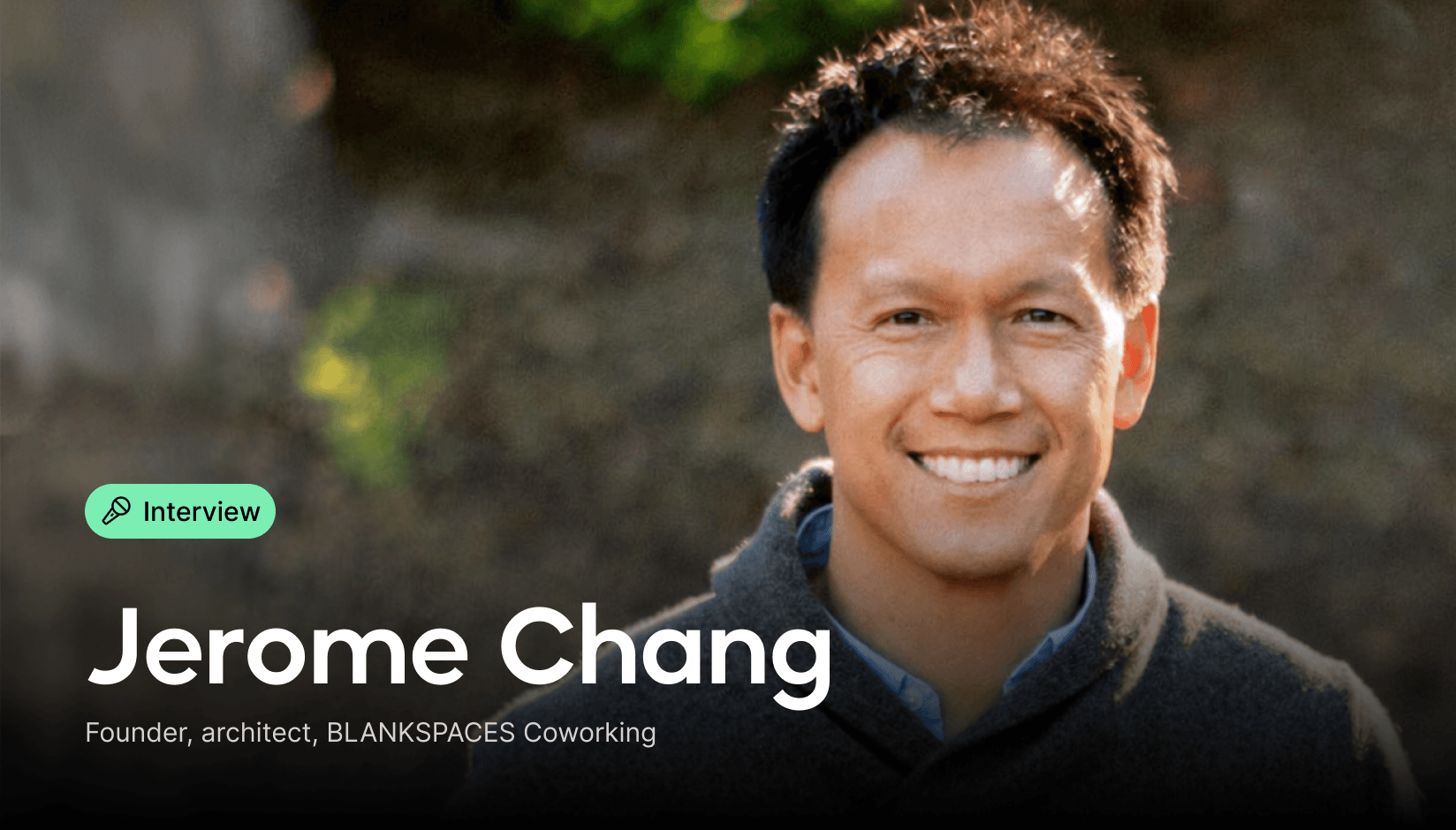
Flexible workspaces attract both "Community Builders" and "Architects." Jerome Chang, a licensed architect and founder of BLANKSPACES, shows that taking the architect’s approach leads to lasting success. Since 2008, he has seen coworking as more than hospitality—it’s a challenge in spatial design.
I’m an architect so designing/managing the build-out was relatively easy... In the end, I’m always trying to create a destination space... the rare office you want to go to, even to pay to go to.Jerome ChangFounder of BLANKSPACES Coworking

BLANKSPACES has weathered recessions and big changes by using an architect’s careful approach to flexible workspaces. These are the four main ideas behind the "Chang Blueprint" for profitable coworking in 2026.
1. Maximize revenue per square foot (RPSF)
Many coworking space operators give up valuable square footage to create a certain atmosphere. Jerome believes every inch should earn its keep. If a space isn’t making money, it’s a problem.
- Avoid large, empty lobbies. Instead, design your reception area so it can turn into a cocktail lounge or event space in the evening.
- Don’t let hallways become boring rows of offices. Add phone booths or lockers to turn them into useful nooks.
- Use tools like Spacebring's space utilization analytics to spot areas that aren’t being used enough. For example, if your meditation room is often empty, consider turning it into a private office that people want.
Spatially, I avoid long hallways by creating nooks and small bullpens... Ultimately, this strategy actually creates more opportunities for private offices.Jerome ChangFounder of BLANKSPACES Coworking
2. Dynamic flexibility: the "blank canvas" approach
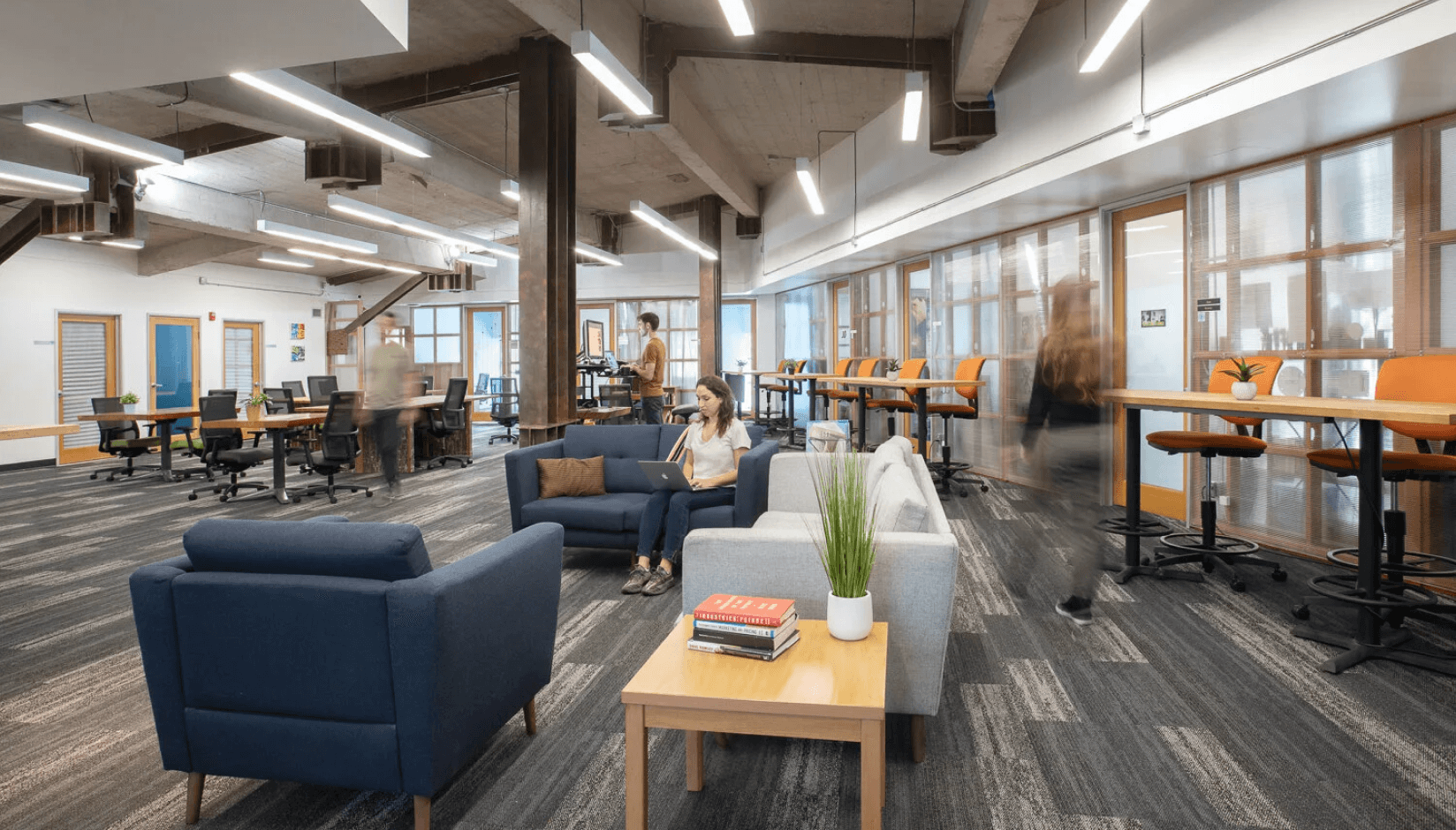
The name BLANKSPACES stands for a flexible, modular approach. Since tenant needs can change quickly, your space should be just as adaptable as your lease agreements.
- Choose furniture and partitions that you can rearrange in a few hours instead of taking weeks.
- Make spaces do double duty. For example, use your boardroom for meetings during the day and offer it as a workshop space at night.
- Jerome saw early on that people wanted part-time coworking space options, even before it became popular.
I recognized a few main areas I could innovate: Creative vibe... Desks not inside an office, and part-time/flex plans.Jerome ChangFounder of BLANKSPACES Coworking
3. Unit economics over "blitzscaling"
In 2026, chasing growth at any cost doesn’t work. Jerome’s approach is to focus on steady profits and local branding instead of using generic slogans.
- Follow the 85% rule. Only open a new location after your first one reaches 85% steady occupancy.
- Make your space feel unique by working with local coffee shops and artists, instead of creating a bland office center.
- Grow your business without hiring lots of extra staff. Automate things like billing and access control so you can handle more space with fewer people.
Localizing per neighborhood means less consistency across our brand... we localize our brand to the neighborhood by not putting up slogans and large logos... using local artists, partnership, and even local coffee.Jerome ChangFounder of BLANKSPACES Coworking

4. The "third place" psychology
By 2026, your real competition isn’t other coworking spaces—it’s the home office. To stand out, your space needs to offer comfort and mental benefits that people can’t get from working in a spare bedroom.
- Design your space with busy spots where people can bump into each other, and quiet areas for focused work.
- People may join for the fast Wi-Fi and comfortable chairs, but they stay because of the community.
- Use glass walls to make the space feel lively, but add some solid sections so it doesn’t feel like everyone is on display.
Distinctive design elements of BLANKSPACES are glass walls for offices... but not glass all the way around. I think that can cause a paranoid fishbowl effect... I create choke points to make adjacent spaces seem larger…and to cause serendipitous collisions.Jerome ChangFounder of BLANKSPACES Coworking

Generate recurring revenue and offer exceptional customer experience at your shared or coworking space
Conclusion: math meets magic
Jerome Chang shows that coworking success comes from balancing a welcoming atmosphere with smart financial planning. If you see your floor plan as a way to earn revenue, you can build a community that’s both lively and financially strong.
Expert tip for 2026:
Focus on flexibility: flexible pricing, flexible plans, flexible offerings. Then change them again.Jerome ChangFounder of BLANKSPACES Coworking