


As everyone knows, you have to spend money to make money. Coworking spaces are getting very popular—but they don’t run themselves. You, the business owner, will need to regularly put your hand in your wallet to ensure that everything works as it should and to keep your clients happy.
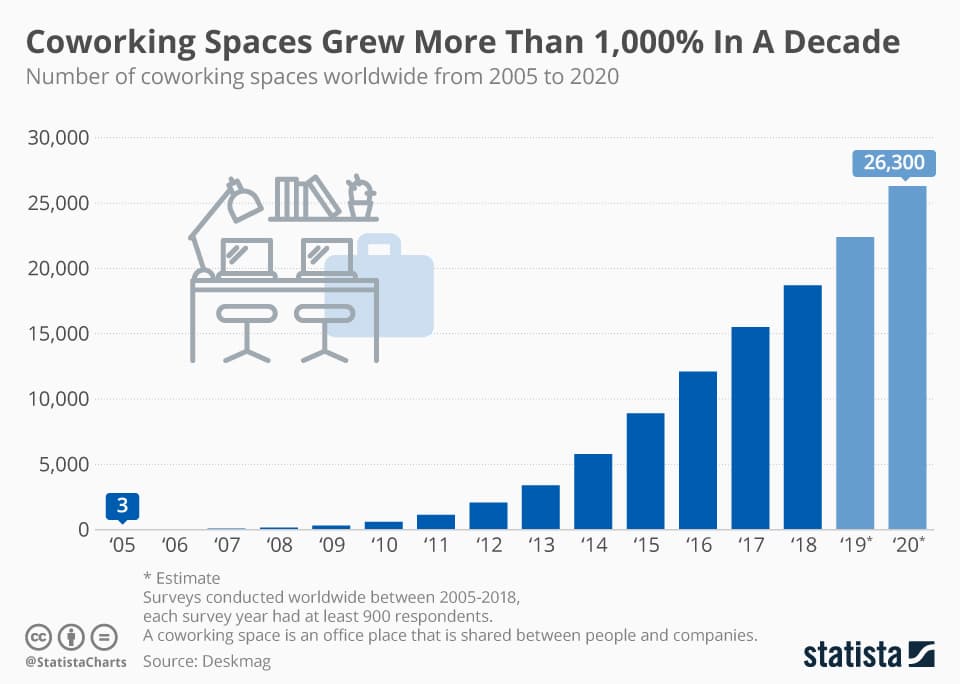
When you’re setting up a coworking space, one of the first things you’ll do is work out your setup costs. These probably include things like a deposit on the space itself, the cost of physical infrastructure - e.g., desks, chairs, kitchen facilities, etc., and virtual infrastructure, e.g., a landline phone system, internet, a call forwarding system, etc.
However, it’s just as (if not more!) important to work out what your regular ongoing costs will be.
By working out your ongoing costs, you will gain a clearer idea of how much to charge your clients (because if your incomings won’t cover your outgoings, you’re in trouble!) Referring to a company financials website can also help benchmark expenses and improve your budgeting decisions.
Establishing ongoing costs is also useful for things like writing a business plan, applying for business loans from top dscr lenders, getting lower interest rates on sba loansand convincing investors that you know what you’re doing.
Plus, it’s always a good idea to know exactly what you’re getting into!
Here, we’ll take you through everything you need to know about the ongoing costs of running a coworking space. From letting fees to liability insurance, we’ll cover the lot.
Business-specific Costs
Some coworking spaces cater to a wide variety of businesses, but others are more specific. Depending on the type of businesses you want to attract, your ongoing costs may be higher or lower. In these cases, a personal loan option could help bridge the financial gap.
For example, an enterprise contact center will require a lot more comms infrastructure than a coworking space for freelance writers. Similarly, if your coworking space acts as a workshop for people working in physical media (for example, painters, sculptors, engineers, mechanics, tech repair specialists, etc.,) you will need to factor things like greater wear and tear and higher cleaning costs into your ongoing cost calculations.
Further, if your clients are working with sharp implements or heavy machinery, your insurance costs are likely to be higher.
Rent
Rent has been rising at a staggering rate in every sector. Commercial and retail rents are no different and landlords filling out rent receipts have already felt it.

Rent is likely to be one of your largest ongoing costs—and it will almost certainly rise year on year. Make sure that you can make enough to cover the cost of using your premises.
If you’re lucky enough to own the property you intend to use, rent won’t be such a concern. Lucky you! However, depending on where you’re based, property taxes by state alone can be a significant expense. You also won’t get off the hook so easily for the rest of this list. In particular, insurance may be higher for property owners than for those renting from a third party.
Which leads us nicely into…
Insurance
As mentioned, the type and cost of insurance you will need depend a lot on the businesses you attract.
It’s not unreasonable to expect your client businesses to have a certain amount of their own insurance. However, in coworking spaces, liability can quickly become a complicated issue—so it’s worth covering your back with your own insurance, just in case.
Side note: Sometimes you may need software for the registration of insurance. In this case, you may want to turn to insurance software development companies that are experts in the field.
Types of insurance you may need include:
- General liability insurance
- Commercial property insurance
- Workers’ compensation insurance
- Commercial umbrella insurance
- Commercial auto insurance
You may not need all of these, but, as a general rule, it’s better to be overinsured than underinsured. For instance, when choosing an auto insurance policy, consider reading a review like this A-MAX Auto Insurance Review before settling on one. If you have any questions about insurance, contact your local insurance agent. They will be able to walk you through the process and answer any questions that come up.
Utilities
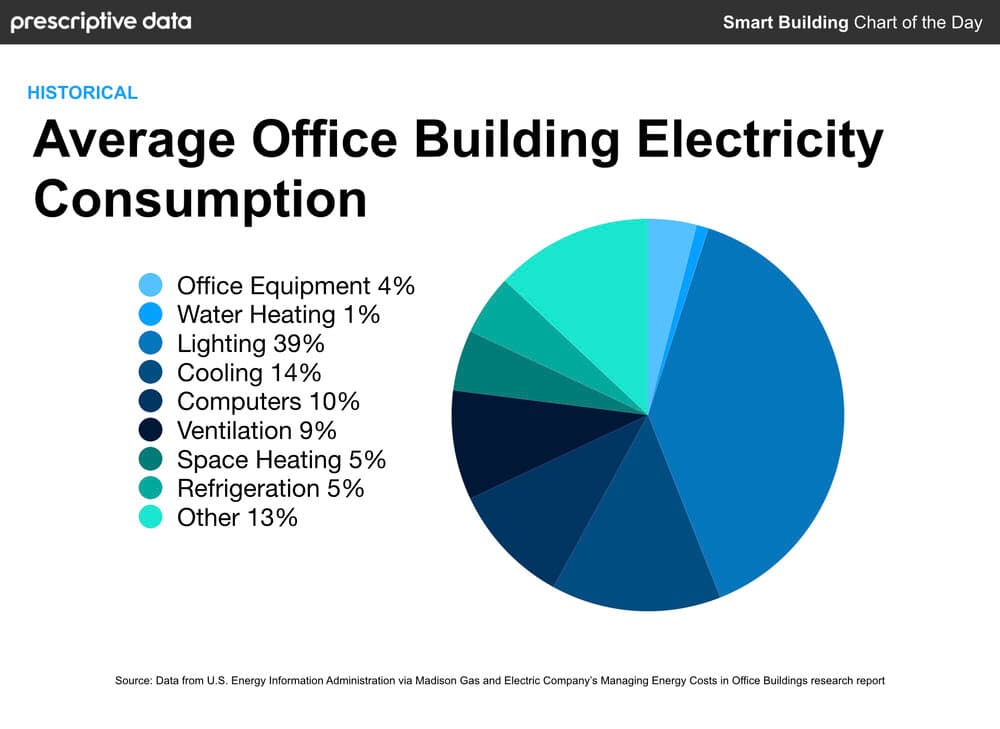
Electricity, water, internet, and heating can quickly become expensive. Figure out which utilities you need and check how much they will cost.
Finding cheaper suppliers helps, but cutting your usage makes a bigger difference. About 30% of a coworking space’s energy is wasted on things like unused devices and lighting empty rooms. These costs add up every day, so it’s important to see where waste happens.
Here’s what this waste looks like in real life
- Lighting: Leaving just 20% of lights on for 4 extra hours each night uses about 1,200 kWh more per year, which costs you money.
- Phantom power: Devices like coffee machines, printers, and monitors left on standby can each add $15-$20 to your yearly bill. With 20 or more devices, this quickly adds up.
- HVAC: Heating or cooling an empty meeting room for just one hour a day leads to big annual waste. These small inefficiencies add up fast.
Now that you know where waste happens, here’s how to fix it. Smart automation can cut these costs.
- Install smart plugs on major appliances. Configure them to turn off automatically when your business is closed. This can help you save 10-15% on your electricity bills.
- Connect your lights to room bookings so that unbooked rooms stay dark automatically. This can save you up to 40% on lighting costs.
Automating these tasks lowers your monthly costs for good, without any extra work. This way, your utilities run more efficiently.

Staff
You might be planning on doing your office maintenance and management yourself. However, all that admin and upkeep is a big job, even if you’re a relatively small operation.
While tech can help a lot in this respect—for example, customer experience software can give you a lot of insight into your clients’ requirements without the need for a dedicated office manager—sometimes, you really do need an extra body or two in the field.
If you decide to take on (for example) cleaning staff, an office manager, admin assistants, marketing experts, etc., their wages will form a significant portion of your ongoing costs.
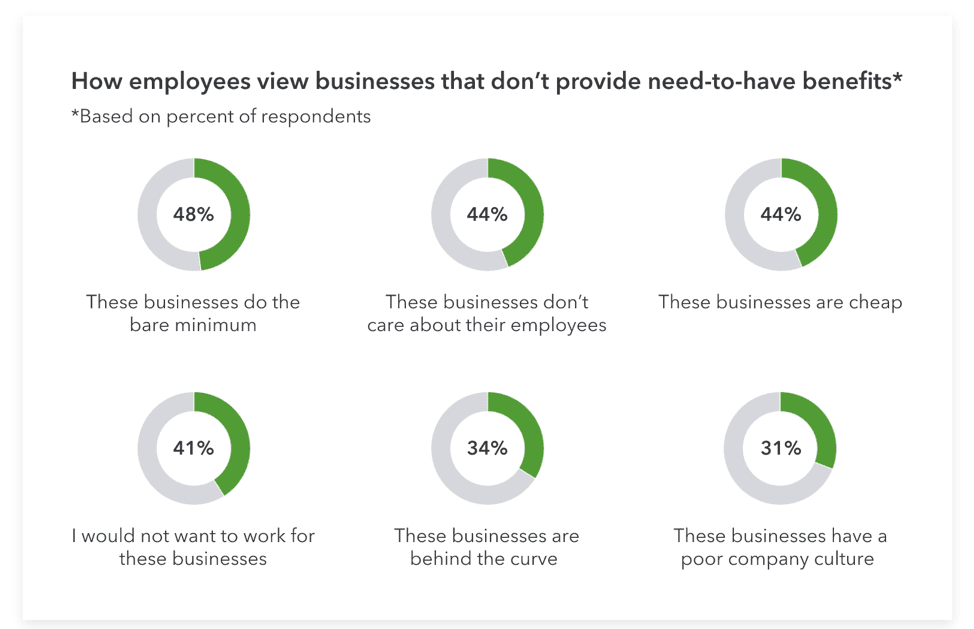
To attract the best staff, it’s often a good idea to offer benefits. For example, travel expenses, health insurance, and so on. Be sure to factor these costs into your calculations.
Marketing and Outreach
If you build it, they might come—but you should still factor a degree of marketing and outreach into your sales funnel strategy.
Marketing and outreach expenses might include:
- Contractor costs. For example, you might hire a freelance copywriter to flesh out your blog or a marketing strategist to craft your campaigns.
- Basic campaign costs, such as printing expenses and ad spend.
- Web design and website upkeep, including things like SEO optimization, blog posts, keeping copy up to date.
Upkeep
An attractive coworking space is one that’s clean and well-maintained. That means making sure that
- Your cleaning cupboard is fully stocked.
- Your furniture is safe, clean, usable, and well-maintained.
- Your premises are secure.
- Your premises look (and are!) attractive and hygienic.
- All equipment provided by you is in good working order at all times.
Upkeep costs are hard to predict as they can spike unexpectedly. Accidents happen—and when they do, it’s often your fixtures and fittings that suffer!
Insurance can help in the case of severe accidents—but for things like stains, scrapes, and broken chairs, it’s a good idea to add a bit extra to your upkeep cost estimate, just in case.
Certifications
Potential clients will want assurances that your offering really is as good as it sounds. Certifications are a great way to prove this, ISO certification, for example.
What is ISO certification? It’s a certification that tells potential clients that your premises and services are in accordance with global standards, that they can be trusted, and that they’re widely usable.
ISO and similar certifications are among the most important and compelling that you can get, but there are all sorts of certifications that will also help—including:
- Gas and electrical safety certifications.
- Fire safety certifications.
- Network security certifications to protect your clients’ online activities.
- Local industry certifications (for example, guild memberships).
- Health and safety certifications—particularly important if you’re offering kitchen or catering facilities.
- Good employer certifications.
Awards can serve a similar purpose, so display these prominently if you’ve won any!
Retainers
Retainers are a bit out there—they’re not a “normal” business expense! However, you may find that things like legal retainers are useful to make sure you’re covered in the case of emergencies.
A professional retainer is a bit like a subscription service—only the service you’re paying for is professional help and advice. You can then call upon your retained professional whenever you need their help.
Legal retainers are common as they ensure that a business will get instant access to good legal help and advice whenever they need it. However, you can also retain people like:
- Health professionals.
- Writers, designers, and artists.
- Engineers and mechanics.
- Drivers.
- Catering services.
- IT professionals.
- Accountants.
Miscellaneous Extras
Every good coworking space has something that makes it special. Maybe they provide stellar lunches or a gorgeous outdoor space. Something as simple as a great coffee machine can make all the difference!
Whatever your USP is, it’s likely to cost you money. Make sure that you include it in your calculations! An easy way to manage these employee and business expenses is to use expense report software to do all the heavy lifting. Using this software ensures your business always stays audit ready and never gets in trouble with the IRS. For more in-depth support with projecting and managing these costs, businesses often turn to advanced solutions like Pigment's expense forecasting, which streamlines budget predictions and provides real-time financial insights.
Preparation Is Key for Ongoing Costs
Working out your ongoing costs can be daunting. The numbers rack up and up—and every time you think you’ve covered everything, you remember something else that will need paying for.
However, no matter how high the numbers get, it’s always better to be prepared. If you know the costs you’ll be facing, you’ll be better able to make your business profitable. You’ll know how much to charge your clients, pay your staff, and so on.
You’ll also gain an idea of where you can save money, where you need to cut back, and where you can afford to spend a bit more.
All of this will help hugely with the management of your coworking space. When you know where your money is going, you can make it work a whole lot harder for you!
The article was written by Jenna Bunnell, is the Senior Manager for Content Marketing at Dialpad, an AI-incorporated cloud-hosted unified communications system that provides valuable call details for business owners and sales representatives. She is driven and passionate about communicating a brand’s design sensibility and visualizing how content can be presented in creative and comprehensive ways. She has also written for sites such as Traffit and TurnTo. Check out her LinkedIn profile.