

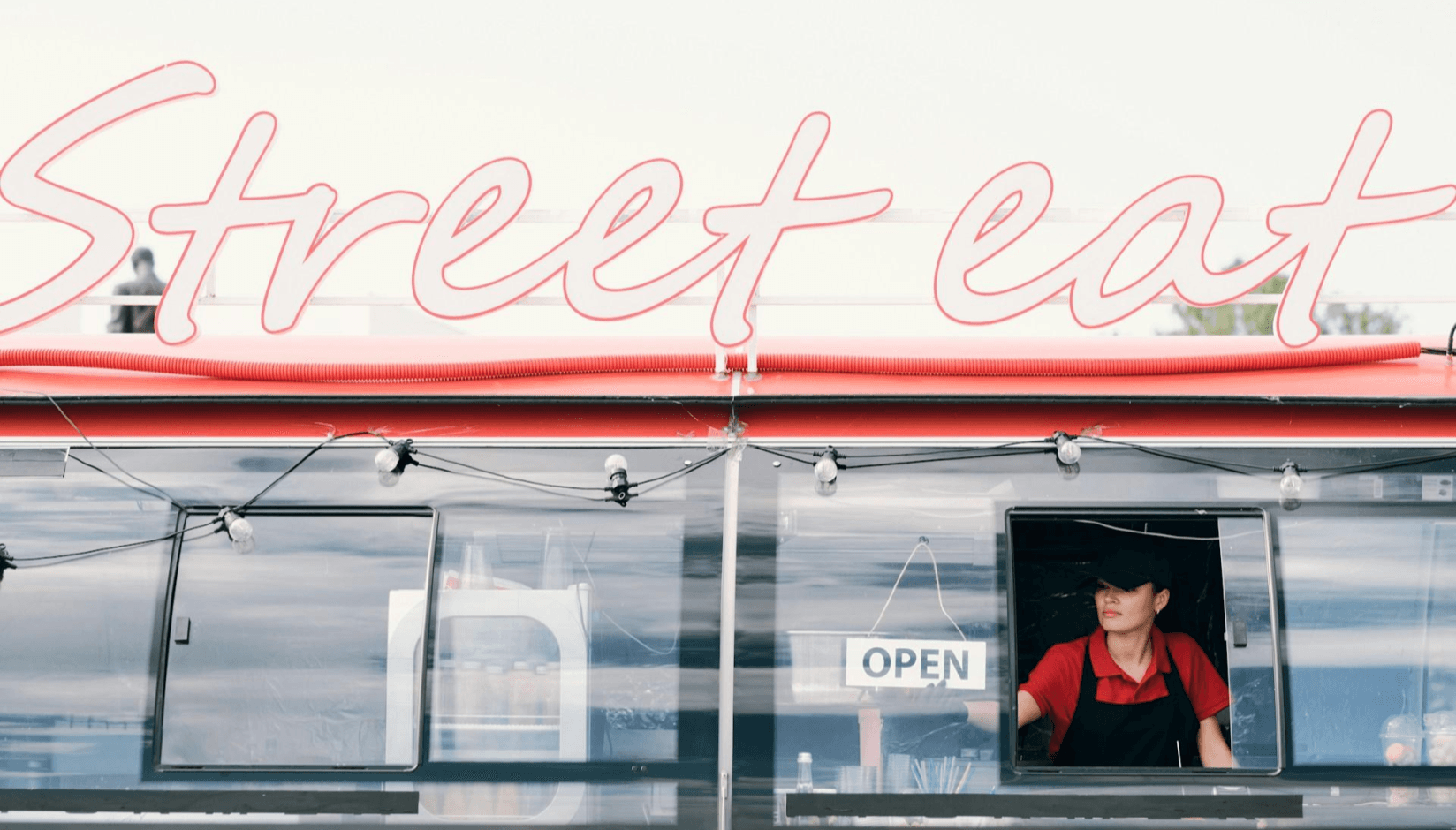
A shared commercial kitchen is a professional food-production facility used by more than one independent food business. Members may rent a whole kitchen, a prep station, equipment, or storage space instead of building a kitchen of their own.
This guide is for shared-kitchen, commissary-kitchen, and flexible-space operators who want to create a reliable service for caterers, food trucks, bakers, meal-prep businesses, and other food entrepreneurs. It covers the practical choices behind the operation: the audience you serve, the resources you offer, member onboarding, bookings, storage, pricing, and day-to-day management.
Important: Licensing, zoning, food-safety, insurance, fire, and inspection requirements vary by country, state, and local authority. Use this guide to plan your operation, then confirm the requirements that apply to your specific location and food activities.
What is a shared commercial kitchen?
A shared commercial kitchen is often also called a shared-use kitchen, incubator kitchen, or commissary kitchen. The terminology overlaps, and regulators may use different names. University of Florida IFAS describes shared-use commercial kitchens as facilities where food businesses share licensed infrastructure, equipment, and production space.
For members, the value is flexibility: access to a professional workspace without the cost and risk of a private facility. For operators, the opportunity is to build recurring revenue around the resources and support food businesses actually need.
Shared kitchen, commissary kitchen, or ghost kitchen?
| Term | What it usually means for an owner | What it does not necessarily mean |
|---|---|---|
| Shared commercial kitchen | Several food businesses use the same professional kitchen, equipment, or storage under defined rules. | That all members are delivery-only businesses. |
| Commissary kitchen | A licensed base for food preparation and storage that may also support mobile vendors with services such as water and wastewater handling. Tacoma-Pierce County Health Department guidance on commissary kitchens | That the kitchen is always shared by multiple businesses. |
| Ghost kitchen | A delivery- or pickup-focused food operation without traditional dine-in service. Terms such as ghost, cloud, and dark kitchen are used inconsistently across markets. Peer-reviewed discussion of dark-kitchen terminology | That the facility is shared. |
A single location can fit more than one category. A shared kitchen may operate as a commissary for food trucks, while some of its members run delivery-first brands.
Step 1: Choose the food businesses you are built to serve
The right kitchen starts with the right audience, not an equipment catalogue.
A food-truck operator may need loading access, dishwashing, storage, and early-morning availability. A baker may need ovens, mixers, cooling space, and regular production slots. A caterer may need large prep areas, predictable weekly bookings, and cold storage.
Speak with potential members before committing to a layout or pricing model. Ask what they cannot find locally, what they use today, and what causes the most friction. Their answers should shape your equipment, storage, hours, access rules, and membership options.
Takeaway: Build for a clear member group first. Expand the offer once you understand what that group will reliably pay for.
Step 2: Plan the operation before opening bookings
A shared kitchen is more than a bookable room. You need to decide what each member can use, when they can use it, and what must happen before access is granted.
Start with a simple list:
- Resources: full kitchens, prep stations, equipment, cold storage, dry storage, loading areas, desks, meeting rooms, or event space.
- Access rules: who can book each resource, how far ahead, for how long, and under what cancellation terms.
- Member requirements: applications, agreements, insurance, food-safety documents, induction, and any approval steps your local rules require.
- Operating standards: cleaning, handovers, labeling, damage reporting, storage use, and incident escalation.
- Charges: what is included in a membership and what is billed separately.
For example, UK food-business guidance requires operators to register with the local authority and manage food-safety procedures, allergens, and hazards. That guidance applies in the UK; confirm the equivalent obligations where you operate. Read the UK government guidance.
Step 3: Design bookings around real production schedules
Many food businesses need predictable weekly capacity, not an occasional one-off booking. A caterer may use the same prep station twice a week. A baker may need a regular overnight slot. A food truck may need prep time plus storage before a busy weekend.
Set your booking rules before demand grows:
- Which spaces and equipment can be booked
- Whether members can create recurring bookings
- Minimum and maximum booking lengths
- Cancellation and no-show rules
- Peak-period rules
- How extra usage is charged
The simpler the rules are to understand, the easier they are for staff to apply consistently.
Step 4: Treat storage, equipment, and cleaning as operating systems
Storage and equipment create value, but they also create responsibility. Give each member a clear storage allocation, labeling rules, access expectations, and pricing. Decide how equipment is checked between bookings, how damage is reported, and who can take a resource out of service.
Cleaning needs the same level of clarity. The NSW Food Authority’s guidance states that food-contact surfaces and equipment must be kept clean and sanitised. Follow the standards that apply locally, then translate them into simple member procedures and staff follow-up.
Takeaway: Make responsibilities visible. Members should know exactly what they are expected to clean, store, book, and report.
Step 5: Create a pricing framework members can understand
There is no universal pricing model for shared kitchens. Your pricing needs to reflect local demand, your fixed costs, the resources that are scarce, and the services that require staff time.
A clear framework may include:
- A membership or access plan
- Included kitchen hours, if that suits your model
- Hourly or shift-based bookings
- Separate storage fees
- Equipment rental
- Cleaning, consumables, or other service charges
- Charges for additional usage beyond a plan’s allowance
Avoid hiding important terms in the fine print. Explain what is included, what costs extra, and how members can track their usage. This protects the relationship when a member’s business becomes busier and their needs change.
Step 6: Use one clear member journey
A new member should be able to understand what happens next at every stage:
- Apply for access.
- Provide the documents and information you require.
- Complete the agreement and induction process.
- Receive approval to use the relevant resources.
- Join a membership or purchase access.
- Book kitchen time, storage, equipment, or services.
- Review charges and manage future bookings.
Spacebring’s shared kitchen management software can support this kind of operating model with kitchen and equipment booking, memberships, automated invoicing and payment collection, customer data, and administrator-approved sign-ups. Confirm the configuration that fits your own process before you publish it to members.

Discover how hundreds of spaces worldwide unlock success and grow better with Spacebring
How do you know the kitchen is working?
Start with a small set of practical measures:
- How much time each kitchen area and piece of equipment is booked
- How much storage is occupied
- The share of members who return and book again
- Revenue from memberships, bookings, storage, and add-ons
- No-shows, cancellations, overages, and unpaid balances
- The number and type of operational incidents
These measures help you decide whether you need more capacity, clearer rules, a different pricing approach, or more staff support.
Frequently asked questions
1. How much does it cost to start a shared commercial kitchen?
The cost depends on the site, local code requirements, ventilation, utilities, equipment, storage, licensing, insurance, construction work, and the services you plan to provide. Get location-specific professional advice and quotes before building a financial model; broad online estimates are rarely reliable enough for a real project.
2. How profitable is a shared commercial kitchen?
Profitability depends on whether recurring revenue covers the cost of the facility, equipment, staffing, compliance, maintenance, and unused capacity. Start with a conservative model based on the number of bookable hours and storage units you can realistically sell, then test it with local demand before committing to a build-out.
3. What permits does a shared commercial kitchen need?
Requirements are local. They may include food-business registration or licensing, inspections, zoning approval, fire and building approvals, and insurance. Your local food-safety or health authority should be your starting point. For a UK example of food-business obligations, see GOV.UK’s guidance.
4. How do shared kitchens charge members?
Common approaches include memberships, hourly or shift-based bookings, storage fees, equipment rental, and additional charges for services or usage beyond a plan. The right approach depends on your resources, local demand, and operating costs.
5. What is the difference between a commissary kitchen and a shared commercial kitchen?
A commissary kitchen is commonly a licensed base for food preparation and storage, often supporting mobile vendors. A shared commercial kitchen describes a facility used by multiple businesses. One location can be both. Use the terminology and requirements set by your local authority.
Build a kitchen members trust
A successful shared commercial kitchen gives food entrepreneurs a dependable base for their business. The practical work matters: choose a focused audience, make rules easy to follow, set pricing clearly, and keep the member journey simple.
When you are ready to map your bookable resources, membership options, and billing workflow, explore Spacebring for shared kitchen management or book a demo.