


The hybrid work model has fundamentally redefined the purpose of the office. It is no longer a mandatory destination; it is a specialized tool for performance. For coworking space owners, your profitability hinges on your ability to design an environment that is measurably better for work than a member's home or a traditional office.
A successful productive workspace design integrates behavioral science, architectural physics, and human biology. This deep dive outlines the four essential pillars required to maximize focus, collaboration, and ultimately, member retention in 2026.
Cognitive zoning: mastering the art of activity-based working (ABW)
The traditional "one desk per person" layout is financially obsolete in the age of hybrid attendance. The core strategy for productive workspace design is to shift layout away from dedicated seating toward activity-based working (ABW), optimizing flow and function.
1. The square footage strategy and efficiency
With employees splitting time between home and office, companies require less static desk space. The hybrid model has reduced the necessary space from 100–150 sq ft per employee (traditional) down to 60–100 sq ft (shared/hot-desking). This means your coworking space must be richer in experience, not just larger in footprint.
- Actionable strategy: design your layout with a 60:40 split—60% dedicated to focused, individual work, and 40% dedicated to collaboration and socialization. This balance ensures the space is utilized effectively on peak days.
2. The zoning imperative for focus and flow
Effective workspace zoning strategies are critical for managing the varied energy levels required for hybrid work. Workers typically alternate between periods of deep concentration and necessary team interaction. Using visual ideation tools such as nano banana 2, designers can quickly generate and iterate zoning layouts, improving decision-making before physical changes are made.

- Deep focus zones: these must be isolated and strictly enforced quiet areas. Desks should be staggered or positioned back-to-back to minimize visual and auditory distraction. This area is optimized for tasks requiring high concentration, like coding, writing, or detailed analysis.
- Collaboration hubs: group noisy, high-traffic areas together. This includes lounge seating, writable wall surfaces, large meeting rooms, and café spaces. These areas should use warm, energizing colors to encourage movement and brainstorming.
- Buffer zones: use transition areas like corridors, storage rooms, or quiet phone booths to separate the high-energy collaborative zones from the low-energy focus zones.
3. The frictionless experience
Hybrid workers need a seamless experience. Design choices must be complemented by intuitive technology. This includes implementing a system for reserving desks and collaboration spaces. Booking friction such as unclear processes or unreliable systems discourages hybrid employees from visiting the office and directly harms member retention.
Sensory alignment: the decibel defense and circadian rhythms
A high-performing workspace actively nurtures the body's biological clock and protects cognitive function from the harmful effects of sensory overload. Coworking space owners must invest in science-backed acoustics and lighting.
1. Acoustic design: protecting the cognitive load
Noise is the single greatest inhibitor of concentration. The World Health Organization recommends that noise in focus areas should remain below 35 decibels (dB), as noise levels rising above 55 dB can significantly impair concentration and increase the risk of analytical error.
- The decibel defense target: aim to keep ambient noise levels in open workspaces between 40–45 dB (roughly equivalent to a soft conversation).
- Acoustic solutions:
- Absorption: use sound-absorbing materials liberally. Install suspended acoustic baffles on ceilings, use thick carpeting, and incorporate high-density acoustic wall panels. The goal is to reduce reverberation time (RT60) to below 0.6 seconds.
- Blocking: invest in high-quality acoustic pods and phone booths. A well-designed pod can provide a sound transmission loss of 25–35 dB, ensuring calls remain confidential and non-disruptive.
- Masking: consider introducing subtle sound masking systems gentle, ambient background sound that covers up the intelligible intrusion of speech without adding to overall noise fatigue.
Quiet please: how to deal with open plan workspace noise
2. Circadian lighting: synchronizing biology with performance
Light is the primary regulator of our circadian rhythms, controlling alertness, mood, and sleep cycles. Productive workspace design must maximize natural light and use supplemental light to mimic the sun's natural progression.
- Natural light maximization: position workstations near windows. Studies show that employees with ample natural light experience an 84% reduction in symptoms like headaches and eye strain, directly boosting productivity.
- Dynamic lighting systems: utilize dynamic, tunable LED systems that adjust color temperature and intensity throughout the day.
- Morning/midday: provide bright, cool light (around 5000K–6500K) to suppress melatonin and enhance alertness for complex tasks.
- Afternoon/evening: gradually shift to warmer tones (around 2700K–3000K) to minimize blue light exposure and prepare the body for rest.
3. Indoor air quality (IAQ)
Good ventilation and air quality are non-negotiable health standards. Market the use of air purification systems, high-efficiency HVAC filters (MERV 13 or higher), and CO2 monitoring sensors. Clean, fresh air is directly linked to enhanced cognitive function and fewer sick days.

Generate recurring revenue and offer exceptional customer experience at your shared or coworking space
Physical design: ergonomics, flexibility, and movement
For the hybrid work model, the workspace must accommodate diverse equipment and encourage physical movement, countering the sedentary nature of desk work.
1. Prioritizing ergonomics and comfort
Ergonomics is an investment in human capital. Providing high-quality, adjustable seating is critical for member retention.
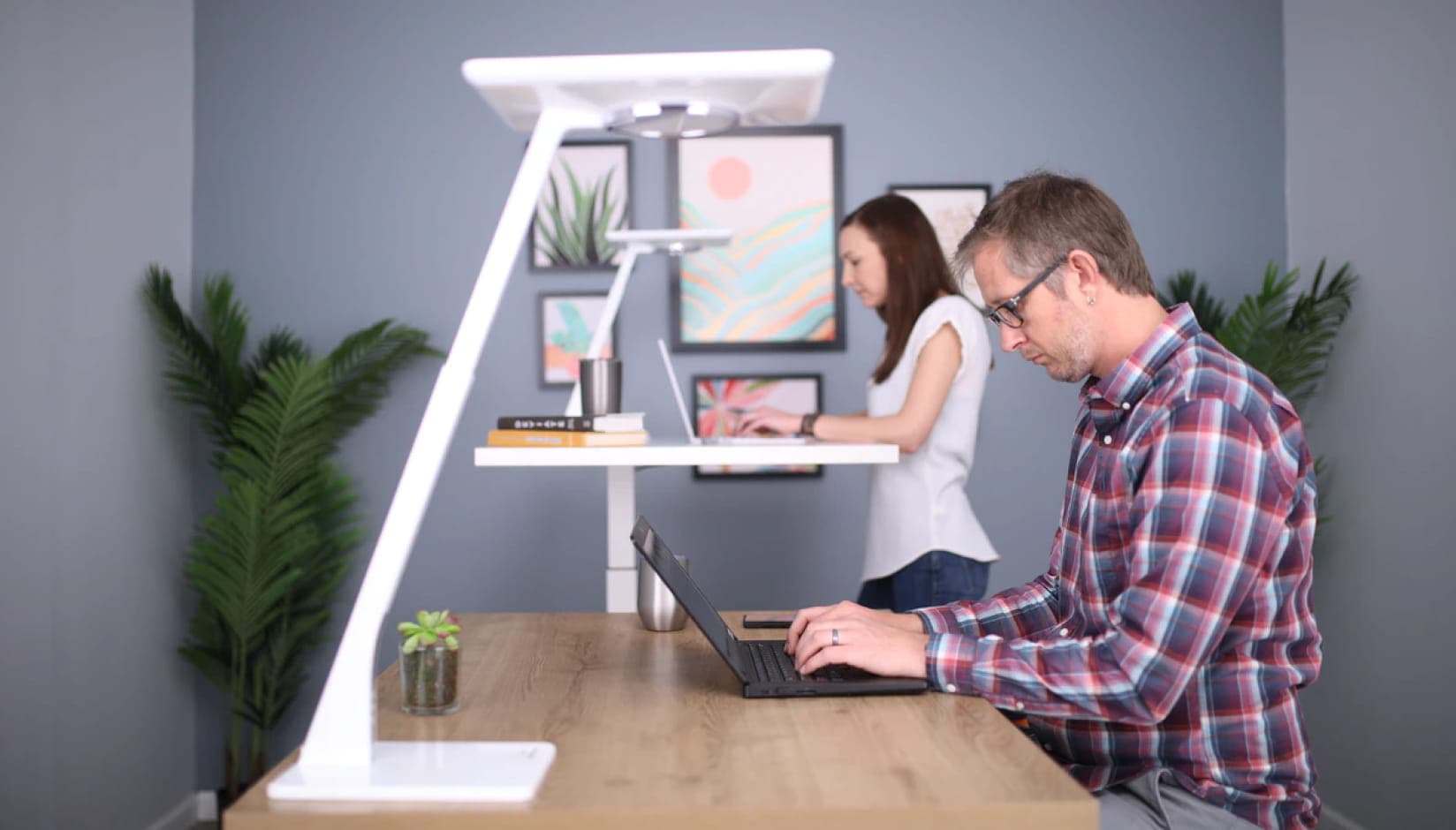
- Adjustable workstations: offer a variety of seating and surfaces, including high-quality ergonomic chairs, standing desks, and collaborative benches. Ensure chairs offer adjustable height, lumbar support, and armrests to fit diverse body types and prevent musculoskeletal issues.
- Flexibility of equipment: ensure every workstation has easily accessible power, multiple input ports (USB-C), and the ability to connect instantly to external monitors. The goal is to enable a member to transition from home to the office setup in seconds.
2. Encouraging movement and activity
Productive workspace design integrates movement into the layout, acting as a cognitive reset button.
- Circulation path planning: design circulation paths that are wide and visually interesting, subtly encouraging members to walk rather than remain static.
- Vertical stacking: place common amenities (e.g., premium coffee, print stations, social lounges) on different floors to necessitate stair use, turning routine tasks into opportunities for low-impact exercise and chance encounters.
Psychological design: biophilia, aesthetics, and wellness
This pillar addresses the crucial emotional connection between the member and the physical space. Design elements must reduce stress, foster creativity, and align with modern corporate wellness goals.
1. The biophilic advantage
Biophilic design—the innate human desire to connect with nature—is a proven scientific tool for performance enhancement. Studies show that workers in biophilic environments report up to 15% higher levels of creativity and a 6% increase in productivity.
- Direct nature: integrate living plants (green walls, large potted plants) into the interior. Plants naturally improve air quality and provide psychological comfort.
- Indirect nature: use natural materials like wood, stone, and bamboo in furniture and flooring. Incorporate patterns, textures, and colors that mimic natural processes (e.g., wood grain patterns, flowing water features).
- Natural light integration: ensure views of the outside world, as this reduces mental fatigue.
2. Aesthetics and brand identity
The space's aesthetic should reinforce the community's brand and value.
- Color psychology: use color intentionally. Cool colors (blues, greens) are effective for concentration zones, while warm colors (yellows, reds) should be reserved for high-energy areas like break rooms and collaboration spaces.
- Refuge and prospect: design small, enclosed spaces (refuge) where members can feel safe and secure (like acoustic pods) alongside large, open views (prospect) that offer a sense of control and overview (like lounge areas overlooking the main floor).
Striving for your coworking space to become a recognized brand?
3. Alignment with corporate ESG goals
By prioritizing sustainability and wellness in design (LEED, WELL standards), your space helps coworking space owners attract high-value B2B clients who must meet stringent ESG reporting requirements. Your design becomes a turnkey solution for their talent retention and corporate responsibility goals.
Conclusion
For the coworking space owner, productive workspace design is the most powerful weapon against the commoditization of flexible real estate. Every decision, from the choice of acoustic paneling to the Kelvin rating of your lighting, directly influences a member's focus, productivity, and likelihood of renewal.
By treating design as a scientific discipline focused on cognitive and sensory alignment, you create an environment that is intentionally superior to the home office and the traditional corporate cubicle farm. This commitment to performance-driven design guarantees high member retention and solidifies your space as the essential hub in the hybrid work model.