

In 2026, coworking spaces are not just competing with other offices. They are competing with the comfort and convenience of members working from home. If all you offer is a desk and Wi-Fi, most people will choose to stay home.
To attract members, your coworking space needs to offer something beyond the basics. Below are 20 coworking spaces from around the world that have found effective ways to increase member retention. Use these examples to identify practical ideas you can apply to your own space.
1. The biophilic paradises: wellness as a business strategy
Trend: Incorporating natural elements to reduce noise and stress in the shared workspace.
1. Second Home (Lisbon, Portugal)
Second Home uses over 1,000 potted plants and curved layouts to create a workspace that feels open and vibrant.
- Key takeaway: A high density of plants can help reduce noise and create private, quiet areas without needing expensive partitions.
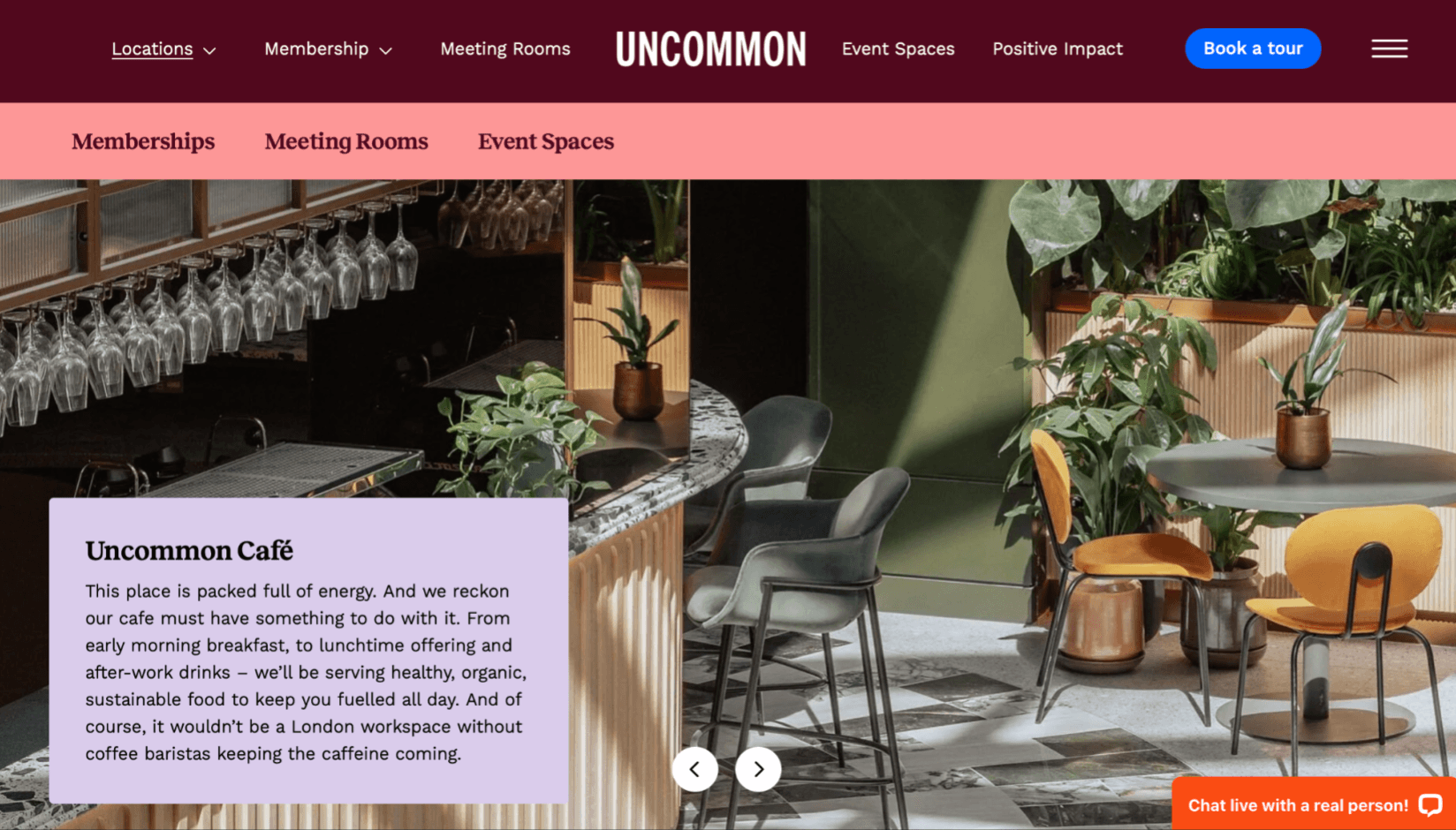
2. Uncommon (London, UK)
Uncommon uses scents, adjustable lighting, and greenery to help members focus and feel comfortable.
- Key takeaway: Wellness features like good air quality and comfortable lighting can improve member satisfaction and loyalty.
3. The Commons (Melbourne, Australia)
The Commons uses recycled materials, solar power, and an open-air garden to create a sustainable and welcoming environment.
- Key takeaway: Sustainable design attracts members and businesses who value environmental responsibility.
4. Ministry of New (Mumbai, India)
Ministry of New features high ceilings and a quiet library area, providing members with a calm space to work.
- Key takeaway: If your main workspace is busy, include quiet areas to help members avoid burnout.
2. Adaptive reuse: turning heritage into high-yield hubs
https://crewcollectivecafe.com
Trend: Renovating older buildings and updating them with modern technology.
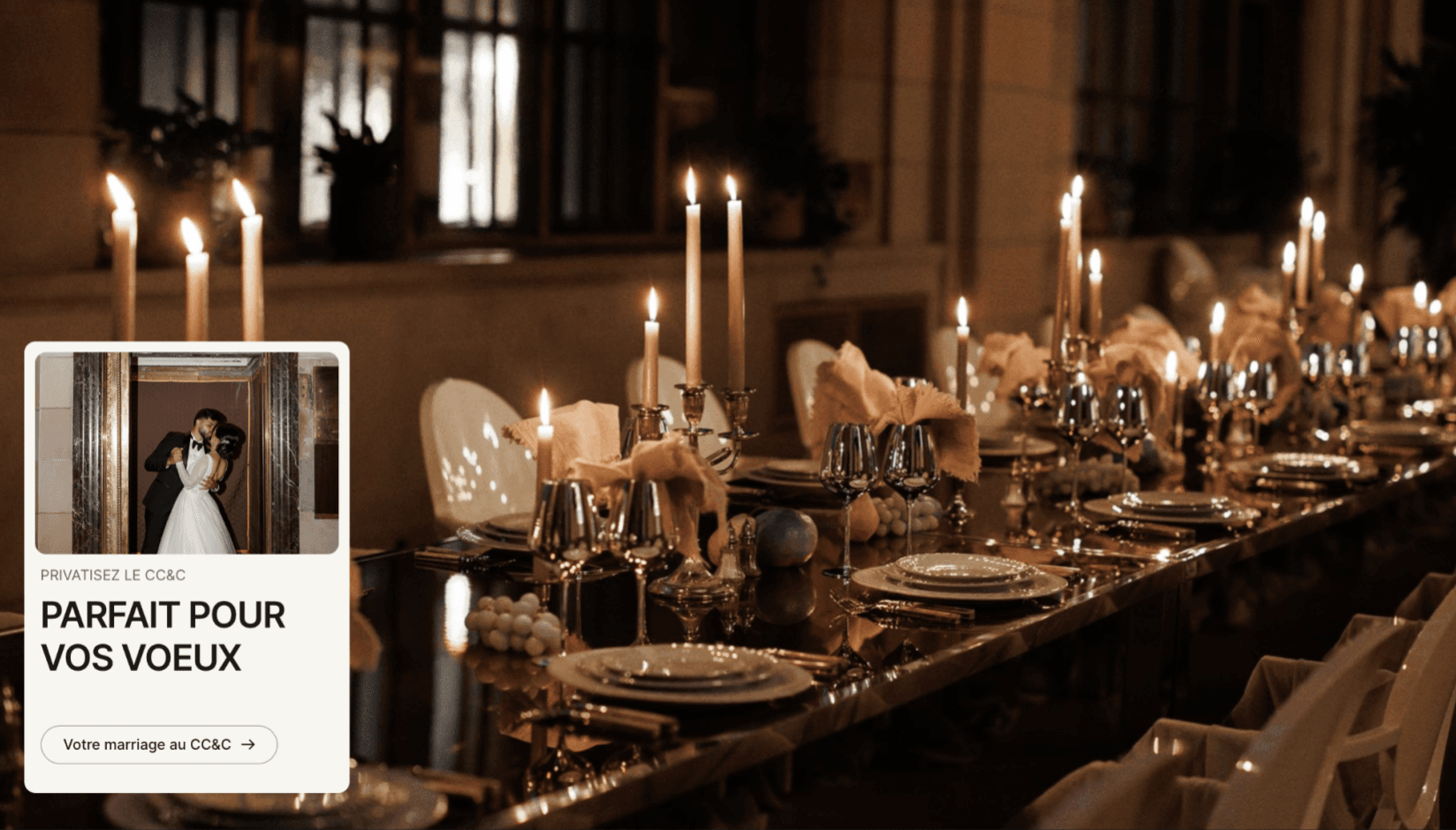
5. Crew Collective (Montreal, Canada)
Crew Collective is located in a renovated 1920s bank with high ceilings and marble floors.
- Key takeaway: Preserving historic features can create a sense of prestige and allow you to charge higher membership fees.
6. Fosbury & Sons (Antwerp, Belgium)
Fosbury & Sons uses mid-century modern furniture and decor to create a comfortable, professional atmosphere.
- Key takeaway: Well-chosen furniture and design can appeal to both corporate and creative members.
7. Factory Berlin (Berlin, Germany)
Factory Berlin uses raw concrete and graffiti to create an industrial, unfinished look.
- Key takeaway: An industrial design can attract startups and tech companies who prefer a less formal environment.
8. Bond Collective (New York, USA)
Bond Collective renovates industrial buildings and adds comfortable furnishings and modern fixtures.
- Key takeaway: Combining industrial architecture with comfortable, high-quality furnishings can make your space more appealing for client meetings.
3. The "destination" spaces: selling the lifestyle
Trend: Designing coworking spaces for remote professionals who need more than basic amenities.
9. Tropical Nomad (Canggu, Bali)
Tropical Nomad uses bamboo structures and offers views of rice fields to create an attractive environment for remote workers.
- Key takeaway: Open-air designs and attractive surroundings can encourage networking and make the flexible space more appealing.
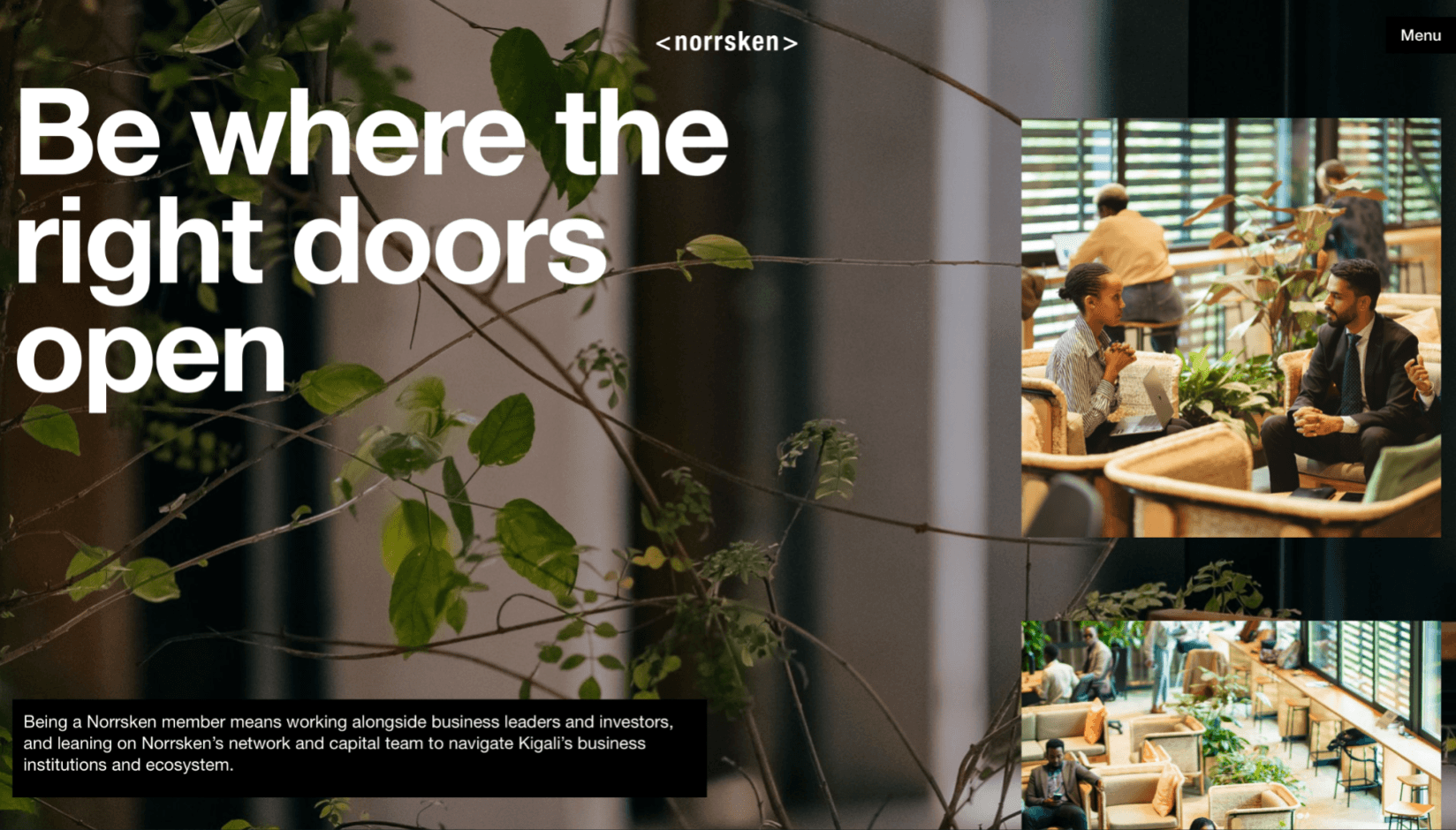
10. Norrsken House (Kigali, Rwanda)
Norrsken House combines local materials like clay and wood with modern technology to create a functional and authentic workspace.
- Key takeaway: Using local materials can reduce costs and help your space reflect the local culture.
11. Workshop17 (Cape Town, South Africa)
Workshop17 offers views of a working harbor, which is a key attraction for members.
- Key takeaway: If your space has a good view, keep it accessible to all members by placing communal areas near the windows.
12. B-Work (Bali, Indonesia)
B-Work features a minimalist design focused on deep work, and includes amenities like a rooftop pool.
- Key takeaway: Providing ergonomic furniture and quiet spaces can attract members who need to focus.
4. Luxury & social clubs: attracting the executive demographic
Trend: Combining workspace, wellness features, and exclusive amenities to attract executives.
13. NeueHouse (New York/LA)
NeueHouse uses dim lighting and high-quality materials to create a comfortable, upscale environment.
- Key takeaway: High-end design and exclusive amenities can help your space stand out to executive members.
14. The Great Room (Singapore)
The Great Room features comfortable seating and hospitality services similar to those found in luxury hotels.
- Key takeaway: Providing hospitality-level service can increase member satisfaction and retention.
15. The Malin (Nashville/NYC)
The Malin is a small, quiet space with a focus on stylish design and a professional atmosphere.
- Key takeaway: Quiet workspaces are valued by executives and can justify higher membership fees.
16. 1880 (Singapore)
1880 offers workspace alongside amenities like a spa, salon, and bar, providing members with a range of services in one location.
- Key takeaway: Offering a variety of amenities in one location can increase member loyalty and retention.
17. The Bureau (Paris, France)
The Bureau features Parisian design, river views, and curated artwork to create a unique workspace.
- Key takeaway: Design your space to reflect local culture and preferences rather than copying trends from other regions.
18. Monday Office (Vilnius, Lithuania)
Monday Office uses Art Deco design elements, including pink velvet and brass arches, to create a visually appealing space.
- Key takeaway: Visually appealing spaces can encourage members to share photos, helping with marketing and attracting new members.
19. Talent Garden (Milan, Italy)
Talent Garden is a large campus that attracts tech startups and students, creating an energetic environment.
- Key takeaway: Large open spaces and event areas can help build a sense of community and keep members motivated.
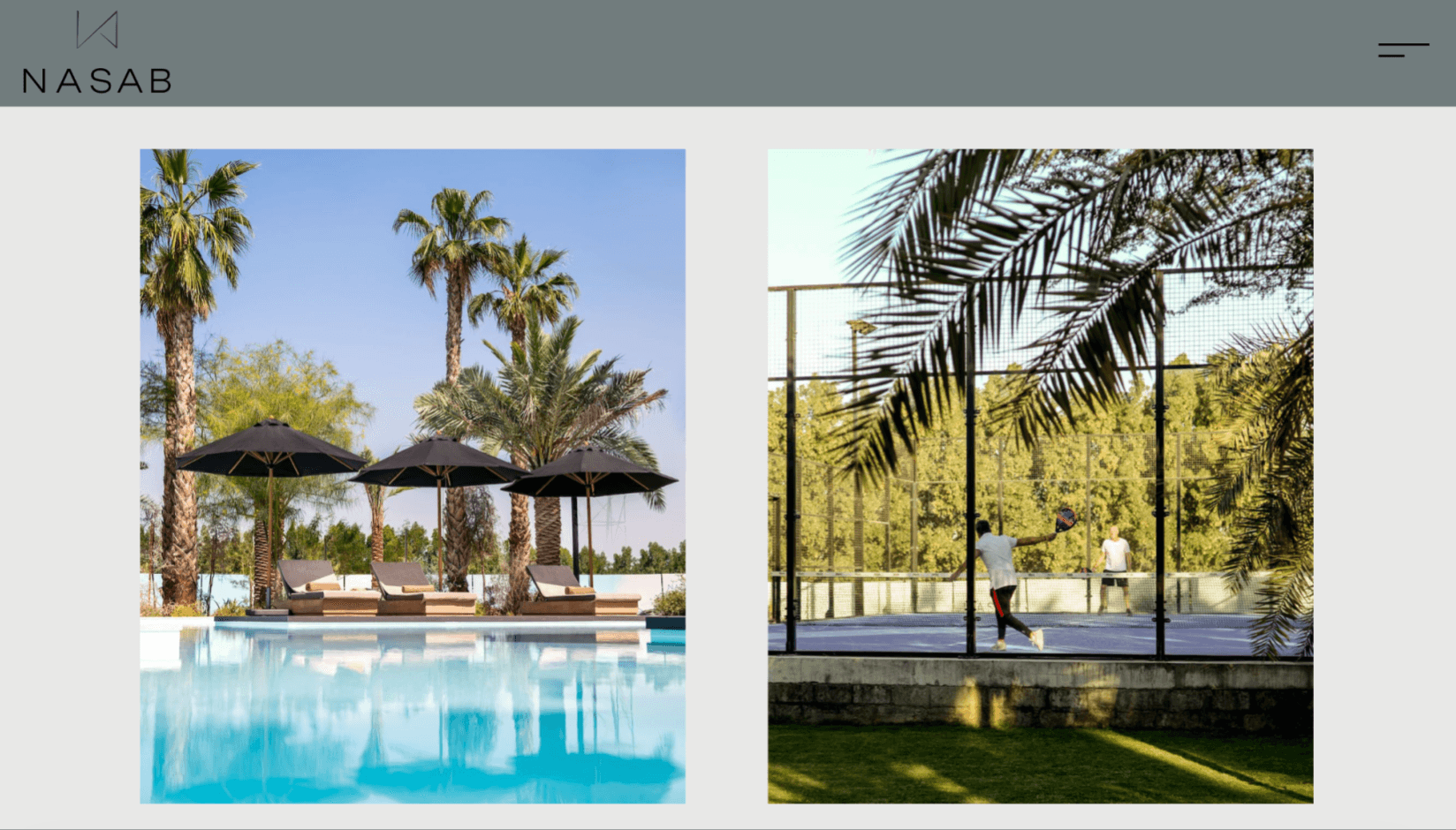
20. Nasab by KOA (Dubai, UAE)
Nasab by KOA offers meditation rooms and minimalist architecture, focusing on wellness for members.
- Key takeaway: Prioritizing mental health and wellness features can help attract entrepreneurs in busy urban areas.

Generate recurring revenue and offer exceptional customer experience at your shared or coworking space
The invisible infrastructure: why design needs automation
Even with great design, poor technology or unreliable access can frustrate members and reduce retention.
Successful coworking spaces use technology like Spacebring to automate tasks such as billing, room bookings, and member access. This allows staff to focus on building community and supporting members.
Strategy cheat sheet for coworking space owners
| Strategy | Business value | Best example |
|---|---|---|
| Biophilic | Natural acoustics & lower stress | Second Home |
| Adaptive reuse | High prestige & brand "soul" | Crew Collective |
| Hospitality-first | Attracts high-paying executives | The Great Room |
| Instagrammable | Organic marketing & lead gen | Monday Office |
If you want to improve your coworking space in 2026, focus on both design and execution. Whether you are adding plants or renovating an older building, we can help you manage the operational side of your growth.
Book a Spacebring demo today and see how we power the world's most inspiring hubs.