

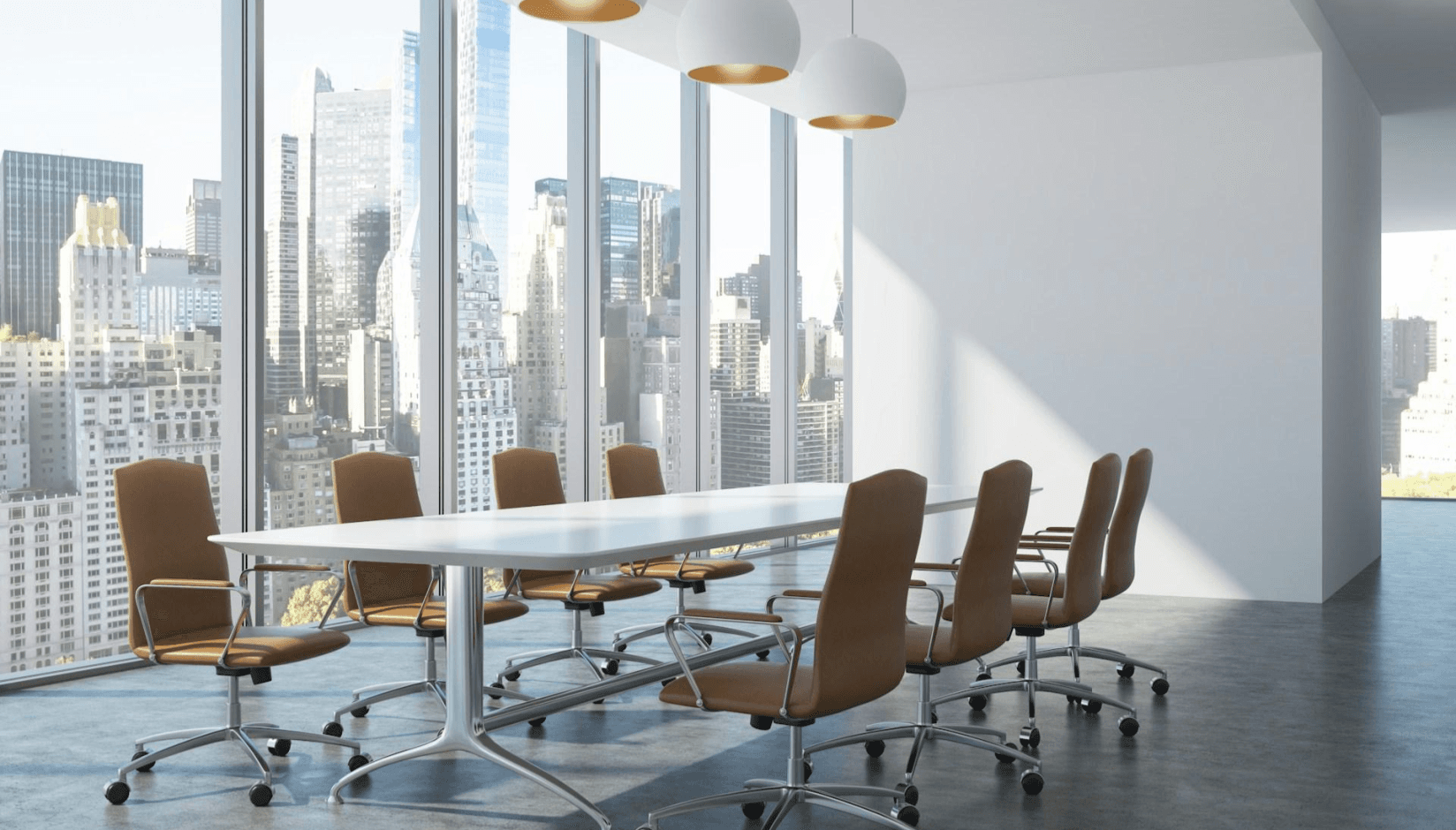
Think about meeting rooms as archetypes of various personalities. Each "archetype" is a type of room designed for a specific behaviour, which are: collaboration, private conversation, team huddles, workshops, hybrid calls, and pitching. Building rooms that can actually cater to what people need is more desirable than just one generic table with chairs.
Buyers will pay for functional design, comfort, and convenience. Buildings that are well designed with room types will feel more functional and more premium (even more future-ready). This can attract higher quality tenants and justify higher rents because companies are aware that the space improves productivity.
The question is, how do meeting room archetypes add value to a property? Value comes from desirability plus utility. A space that can solve real problems and focus on privacy and collaboration becomes more desirable nowadays. And when the design is already thinking for the user, it adds a more premium feeling. Simply put, a better experience means better perceived worth. Working with experienced consultants or agencies like Balitecture Realty can help owners create room types that feel intentional, modern, and commercially competitive.
How better meeting rooms add value to your property
It can be said that utilisation is like the real scorecard of any meeting room. To see how much they score, ask these questions:
How often is the room actually being used, instead of sitting empty and wasting square meters?
Rooms that are designed with the correct archetype will naturally get used more often. This is because they match the real behaviour, like it is for focus pods, collaboration rooms, or private call booths. And higher utilisation affects higher value. Why?
Higher perceived value for tenants or buyers
When people see rooms that are always in use (instead of ghost rooms with dusty chairs), they immediately think: “This building is well-designed and it works.”
Tenants tend to spend a longer time staying and paying more for smart and busy spaces that feel more premium and modern.
Dedicated workspaces with a small focus room with soundproof call areas add much value because most people are looking for convenience and productivity. Especially in coworking/shared office spaces.
Ability to charge higher rent or a higher sale price
If your meeting rooms do more, your building can command more.
Companies will pay higher rent for a workspace that boosts productivity without forcing them to renovate.
Buyers will pay more for a property that already solves the hybrid-work puzzle.
The bottom line:
Better meeting rooms increase utilisation → higher demand → higher perceived value → higher pricing power.
It’s one of the smartest, most overlooked ways to boost long-term property value.
The three core meeting-room archetypes
To understand the demand better, here are three core meeting room archetypes to consider:
- Focus rooms – This is the type of room that is designed for 1 to 2 people. They support individual productivity and are ideal for deep work, distraction-free tasks, and calls.
- Client rooms – This type of room is for trust building, brand perception, and important external conversations. This type is usually designed for hosting guests, formal discussions, and pitching.
- Team rooms – This type of meeting room is usually larger. Built for brainstorming and workshops. For those who are seeking a space to do creative collaborations and a flexible work environment, the archetypes cater to the full spectrum. Larger, flexible rooms built for group work, brainstorming, and workshops.
20+ Unforgettable meeting room designs that get booked solid
Focus rooms: small changes, big impact
What is a focus room?
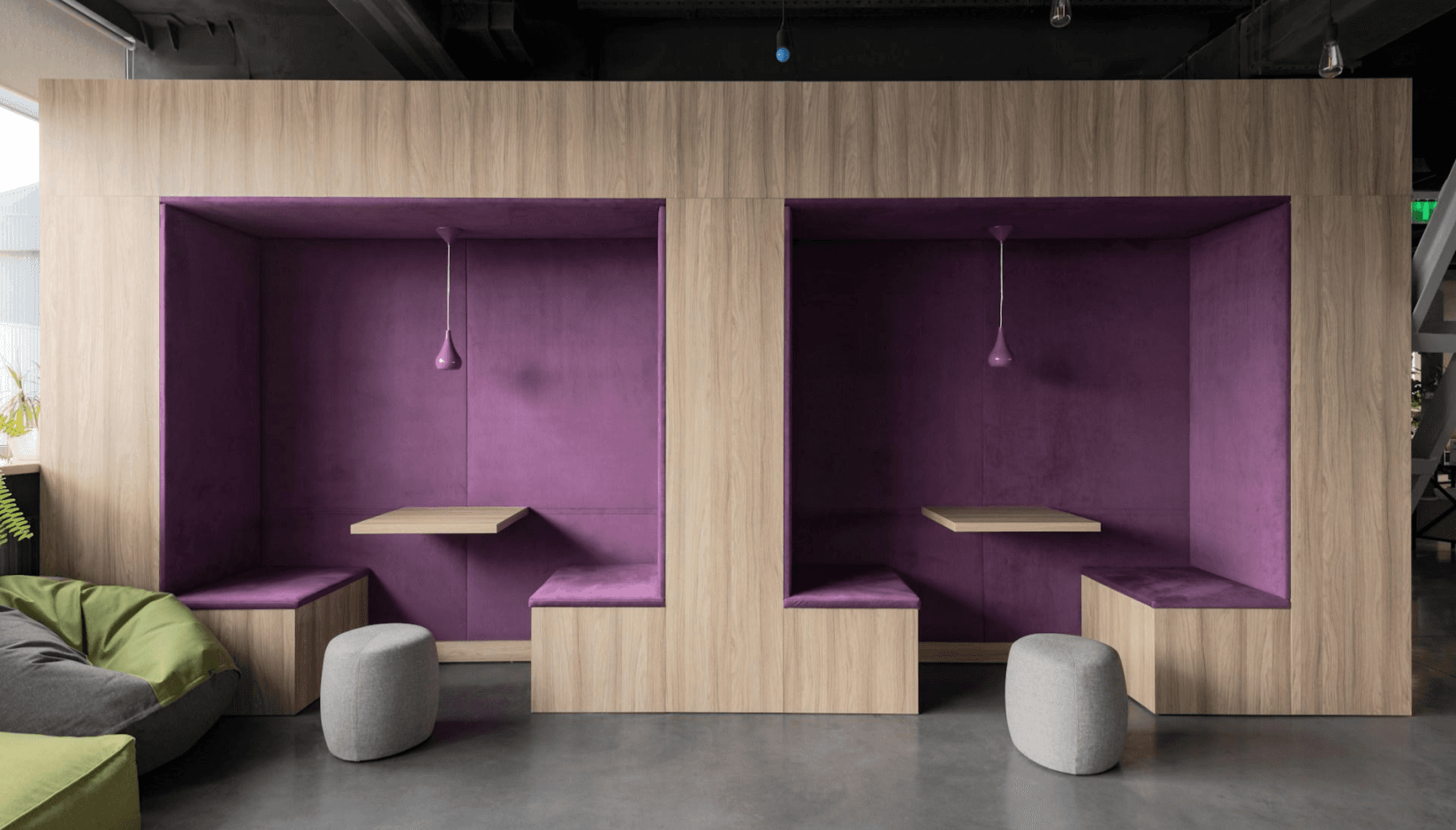
A focus room is basically a dedicated room where you can do things with your maximum focus (without distractions). In co-working/office spaces, a focus room is one of the most crucial rooms. A focus room can boost your co-working space's value when added and optimised.
Why focus rooms increase property value
People need private spaces more than ever, especially for video calls and deep work. Because of that, tenants now see focus rooms as essential, not just a nice extra.
And the best part? These rooms are a relatively small upgrade compared to building large meeting spaces, but they end up being used far more often. That makes them one of the smartest ways to boost the value and appeal of a property.
For instance, A co-working space in Bali launched a soundproof focus room with a desk, ergonomic chair, good lighting, and strong Wi-Fi. After launching it, the room was fully booked almost every day by digital nomads and remote workers for Zoom meetings and deep-focus sessions. Within months, the coworking space increased its membership price and marketed the focus rooms as a premium feature, without needing to expand the building or add more desks.
Design tips: what renovations add the most value in focus rooms
These small details create a space people actually want to use, raising both daily satisfaction and the long-term value of the building.
- Good soundproofing and solid doors to keep noise out
- Comfortable lighting and ergonomic chairs
- A built-in desk, easy access to power outlets, and strong Wi-Fi
- Simple, calming finishes that make the room feel clean and focused
How to choose the best meeting room display for your coworking space in 2026
Client rooms: designing for first impressions
What is a client room?
A client room is a formal space where you can host important meetings with your potential clients. More than that, a client room can also be used to have conversations with your business partners or buyers. A dedicated client room can make your potential clients feel the importance and urgency of the meeting you host. Thus, increasing your success rate.

How client rooms add value to your property
First impressions are everything, they said. And in this matter, it is everything. A well-designed client room will boost the signal of professionalism. Furthermore, this will also build trust between the host and the potential client. A strong first impression can also justify higher rents and selling prices.
Renovation ideas that add the most value in client rooms
- A clear entrance and simple signage so guests know exactly where to go
- A solid, well-made table and chairs that feel professional and comfortable
- Good acoustics to keep conversations clear during presentations or video calls
- A built-in screen, camera, and tidy cable setup for smooth meetings
- Warm finishes, thoughtful art, and subtle branding that make the room feel polished and memorable
- These small upgrades create a strong first impression—and that instantly lifts the value of the space.
Team rooms: flexible spaces for everyday use
What is a team room?
When it comes to team rooms, we are all familiar with them. Some of us may have been using team rooms for various reasons. So to define it, team rooms are exactly what it is, a place where a group of people can work together. Team rooms usually can accommodate up to several people.
 \
\
Why team rooms drive higher utilisation
When team rooms are well-designed and match what people are looking for, the more desirable they become. People use team rooms for various reasons. From annual meetings, creative collaborations, and small events. When you can provide a team room that caters to everyone's needs, your chances of earning more profits are growing.
Renovations that add value in team rooms
Team rooms need to be comfortable and convenient. Teams should feel comfortable while working or holding events in team rooms. The better the place, the higher the value. So, what renovations would add value to the team room? Here are some renovation ideas to boost your team room space.
- Movable tables and stackable chairs.
- Whiteboards or writable walls.
- Large screens for video calls and shared work.
- Storage for workshop tools (post-its, markers, etc.).
How to plan meeting-room renovations that actually pay off
To plan a meeting room renovation that actually pays off, you can start by creating a clear goal for your renovations. Once you have the goal, start breaking it down into smaller tasks. Here are some short frameworks for your next upgrades:
- Audit current usage: To do this audit, you can start by asking this question: which rooms are booked, which sit empty? This effort in sorting out what needs to be removed can help you on how to increase property value.
- Match archetypes to needs: decide how many focus, client, and team rooms you need. Once you have decided on your focus, you can start setting the right budget for it.
- Set a budget: focus on upgrades that increase comfort, function, and tech. Listing out what needs to be bought and improved for daily use is part of renovations that add the most value.
Measuring the impact on utilisation and value
To increase impact and utilisation, it is best to use data-driven value. When you’re able to calculate the risks and impacts, you can start navigating your plan. And here are some simple metrics you can use to track.
- Booking rates per room type
Keep records of your booked rooms and classify them based on the room type. To streamline this, you can use a dedicated solution like the Spacebring booking system, which synchronizes bookings with calendars to log reservations and show real-time availability. These systems often include features like check-in, digital signage, and analytics to monitor room utilisation. Because it syncs directly, even your basic tools like Google Calendar or Outlook will automatically prevent double-bookings and provide a unified visual overview.
- User satisfaction (quick surveys)
This is a simple but effective way to know exactly which part to improve. Not only are you provided with data from your exact target market, but the results of the surveys can be used to boost reliability and social proof. The more satisfied your customers are, the more customers you can reach in the future.
The better the data, the easier it is for you to map what needs to be improved in your meeting room.
Practical checklist: turning your meeting rooms into value drivers
- Map your existing rooms and take notes on how they are currently being used.
- Decide on the perfect combination of focus rooms, client meeting rooms, and team collaboration rooms based on what you actually need.
- Implement a self-booking system. Empower users to book spaces instantly via an app or web portal. This removes administrative bottlenecks and prevents double-booking errors by syncing automatically with your calendars.
- Install meeting room displays**.** Place digital tablets outside each room to show real-time availability. This simple addition eliminates awkward interruptions and signals clearly when a room is occupied or free.
- Fix the fundamental first. Those usually include lighting, airflow, comfortable seating, and acoustics.
- It’s best to add essential tech that a modern room needs, like reliable screens, high-speed Wi-Fi, and plenty of power outlets.
- Maintain a clean design with professional details that look good and timeless, but also low-maintenance.
- See what’s working and what’s not through gathering user feedback about the renovation. You can use this data later to support pricing decisions and marketing outreach

Generate recurring revenue and offer exceptional customer experience at your shared or coworking space
Conclusion
Smart meeting-room archetypes are incredibly useful to help you answer the key question: how to increase property value? They help you make decisions on how to make your building or home office appear more attractive. Thus, earning more profit from the market. This can also optimise your rooms so they are used more and not less. For an easy and effective start, you can conduct a small renovation project like a single focus room, gather users’ feedback and see the impact.