

The traditional 9-to-5 workday is officially obsolete. The majority of professionals are now adopting the hybrid model and have shifted their fundamental approach. Professionals now prioritizing their controls along with the autonomy over their schedules. Coworking spaces are now a tremendous growth opportunity to increase the revenue streams. The massive cultural changes isn't a challenge but can build strong partnerships. Mastering the balance between office and home can achieve this revolution.
High-growth companies now operate this way: about 52% of remote-capable employees are hybrid, and roughly 60% say they prefer it (Gallup, 2025). If you treat your space as an essential tool for these people, not just a nice-to-have office you win the market. This guide is your no-fluff, human-written blueprint for turning your space into the indispensable hub for today’s flexible professional.
Why you can't afford to ignore the hybrid professional
Numbers tell the complete story as hybrid employees are highly productive and engaged which is crucial for the corporate stability.
| Key hybrid work statistic (2024/2025) | What this means for your bottom line |
| Highest engagement: hybrid employees report a 35% engagement rate, topping all other work models (Gallup, 2024). | Churn protection: highly engaged members stick around. They become the most reliable and long term revenue resource with less price sensitive. |
| Retention of talent: young workers up to 75% of rate (Gen Z and Millennials) can leave a job if they do not get flexibility in work. (Deloitte UK, 2025). | B2B gold: your flexible, local access is now a critical HR tool for the companies you target. Sell them a solution for keeping their talent happy. |
| The productivity factor: 90% of hybrid workers say they're equally or more productive in this model (Owl Labs, 2025). | Your marketing hook: stop selling Wi-Fi. You sell a productivity accelerator—a predictable environment that beats the distractions of home. |
Strategic pillars to make your space indispensable
Attracting this discerning audience means designing a space that solves their biggest work-life problems: scheduling chaos and frustrating technology.
1. True flexibility: the "unrestricted access" principle
The hybrid worker isn't on the clock; they're on a mission. Their schedule is dictated by global time zones, family needs, or peak focus hours. Your schedule must bend to theirs.
- Ditch the banker's hours: 24/7 access isn't a premium feature; it's the bare minimum. Show them your space is always available.
- The micro-shift plan: offer seamless, granular access. Forget just monthly or annual contracts. Can they pop in for three hours to crush a specific task? Use your app to manage credit-based day passes or hourly booking easily. This is what enables "microshifting," making your space the default choice for their specific needs that day.
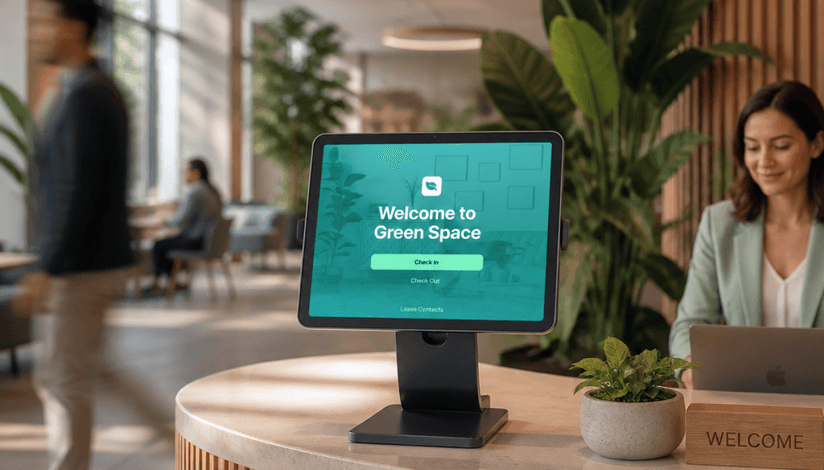
- Frictionless tech for access: if a hybrid worker has to call someone to check in or book a room, you've already failed. Your booking system must be intuitive a gorgeous, fast app that gives them total control over desks, rooms, and even amenities, instantly.
2. Engineer the "productivity toggle"
Hybrid workers come in for a reason: either deep focus or team collaboration. Your design must support both without having them crash into each other.
- The deep focus sanctuary: productivity can go away due to distractions. So, quiet zones should be the perfect protected spaces to avoid distractions. “Quiet zones” involve sound proof panels and private high backed booths. These spaces provide the peace and productivity to the workers which they can’t get at home.
- The collaboration nexus: the other half of the time is all about teamwork. Design lively areas with movable whiteboards, flexible furniture, and cozy lounge spots that spark spontaneous ideas. These types of spaces provide connections unexpectedly, which offers innovation and creativity.
- Blending the architectural aesthetic: use natural light to make your workspace both efficient and inviting. It creates calm and refreshing vibes. You can balance the professional grade essentials like dual screens, reliable powers and chairs. By these productivity and comfort can achieve its heights.

Discover how hundreds of spaces worldwide unlock success and grow better with Spacebring
3. The tech MVP: solving the hybrid meeting mess
Nothing kills a corporate contract faster than a useless meeting room. Hybrid teams rely on your space to make their remote colleagues feel equal.
- Dedicated call booths: ensure you have enough sound-proof "phone booth" stations. These are mandatory for the dozens of video calls a hybrid worker takes daily.
- Hybrid-optimized rooms: your meeting rooms must solve the "remote person feels left out" problem. Equip them with:
- High-quality audio and video: can use wide angle cameras and spatial audio to ensure that every voice and face is clear in the room.
- Interactive digital whiteboards: to make the collaboration seamless, set up the tools for remote teams. By using them, they can draw and write on the white board , which can enhance the rate of productivity of new records.
- Smart room design: arrange D-shaped tables so in-person attendees naturally face the screen—giving remote colleagues a true “seat at the table.

4. Wellness, safety, and biophilia
Safety and health are baseline expectations now. Show them you care about their well-being, not just their wallet.
- Wellness-first design: to boost focus and reduce stress, it is important to bring in natural light and fresh air. Must build a structure with plenty of greenery to get peace and calmness.
- Ease crowd concerns: many people are still looking for the crowded spaces even after the covid pandemic. You can use the mobile app to show the real time occupancy so members can visit the quieter hours, and it is good to go. You can promote the space as open, clean and the best alternative to the corporate offices.
5. Targeted digital marketing with social proof
Hybrid workers are found online. Your marketing needs to speak directly to their pain: the guilt of working from home, the poor Wi-Fi, and the isolation.
- SEO focus: target high-intent search terms like, "best flexible office for hybrid teams," "private booth for video calls near me," and "satellite office solutions."
- Authentic visuals: use social media to show the human side not just empty desks. Post images and videos of a team laughing in a collaborative lounge, a focused freelancer in a private booth, and a member seamlessly booking a room on your app.
- The testimonial power: share user-generated content and success stories. Nothing is more powerful than a member explaining how your space gave them back their work-life balance or helped their team scale faster.
6. The corporate strategy: selling to the CFO
The biggest contracts come from companies buying memberships for their teams. Stop selling to the employee and start selling to the executive suite.
- Position as a real estate solution: you are not a landlord; you are a decentralized real estate partner. You help the CFO reduce their massive, fixed core office footprint while offering a flexible, attractive perk that keeps their employees happy.
- Transparent billing: offer simplified, bulk "Access credit" pools. The company buys 500 days a month that their employees can draw from. Your app tracks and reports utilization, giving the corporate client transparent, accountable cost management.
The essential pillar: curated community
By executing these six strategies and embracing the pillar of community, you move beyond the "nice desk" commodity. For many hybrid professionals, the real antidote to remote work isolation isn't just a physical office; it's a curated community featuring thoughtful events, networking opportunities, and a dedicated community manager who brings everyone together. You transform your space into a necessary, human-centric environment—the only one that truly understands and enables the future of hybrid work.