


If you’re thinking about opening a coworking space, it’s easy to start with the exciting parts. The name. The brand. The layout. The coffee bar. The furniture. The details that make the idea feel real. And yes, those things matter. But they don’t come first.
A coworking space works when there’s real demand for it, the offer is clear, the pricing makes sense, and the business can survive long enough for occupancy to grow.
And the demand side is real: according to CoworkingCafe, the U.S. had more than 9,100 active coworking locations and over 164 million square feet of coworking space in Q1 2026.
That’s the part many guides skip. They make coworking sound simple: find a space, add desks, build a community, and members will show up. Sometimes they do. A lot of times, they don’t. Or they show up more slowly than expected. Or they come in, but the business still struggles because the economics were never strong enough in the first place.
That’s why opening a coworking space is not mainly a design project. It’s a business decision. If you want to do it well, you need to understand demand, positioning, pricing, operating costs, and the day-to-day experience you’re actually promising people. This guide walks through that side of the business — the practical side.
Quick answer: how do you start a coworking space?
To start a coworking space, validate demand in your local market, choose a clear niche, build a simple business plan, estimate startup and monthly costs, select the right location, design the right mix of spaces, set sustainable pricing, and start selling memberships before launch.
That’s the sequence. When one of those steps is rushed or skipped, the business usually becomes much harder to run later.
1. Start with demand, not design
The first mistake many founders make is assuming that because coworking is popular, another coworking space will automatically work in their area. It won’t.
Demand for coworking in general is not the same as demand for your specific space, in your specific neighborhood, at your prices, for the people you want to attract. That distinction matters even more now that flexible work is firmly established.
Gallup reports that among remote-capable U.S. employees, the majority prefer hybrid work, while about one-third prefer fully remote work.
That’s why the first question is not, “What should the space look like?” It’s, “Who is this space for, and why would they choose it?” That answer shapes everything else.
10 Types of coworking space members
A lot of people may like the idea of coworking. But moving someone from working at home, working from a café, or staying with another workspace takes more than a nice concept. It takes a clear reason.
So before you spend money on build-out or branding, spend time in the market. Visit nearby coworking spaces. Read their reviews carefully. Notice what people praise and what they keep complaining about. Is the problem privacy? Noise? Community? Layout? Parking? Pricing? Meeting room access? Professionalism?
Then talk to people who could actually become members. That might mean freelancers, consultants, remote employees, startup founders, designers, therapists, local agencies, or small teams. It depends on the kind of space you want to build.
Ask them where they work now. Ask what’s missing. Ask what would make them switch. Ask what they would realistically pay for. You’re not trying to collect compliments. You’re trying to find proof of demand.
2. Pick a niche people can understand immediately
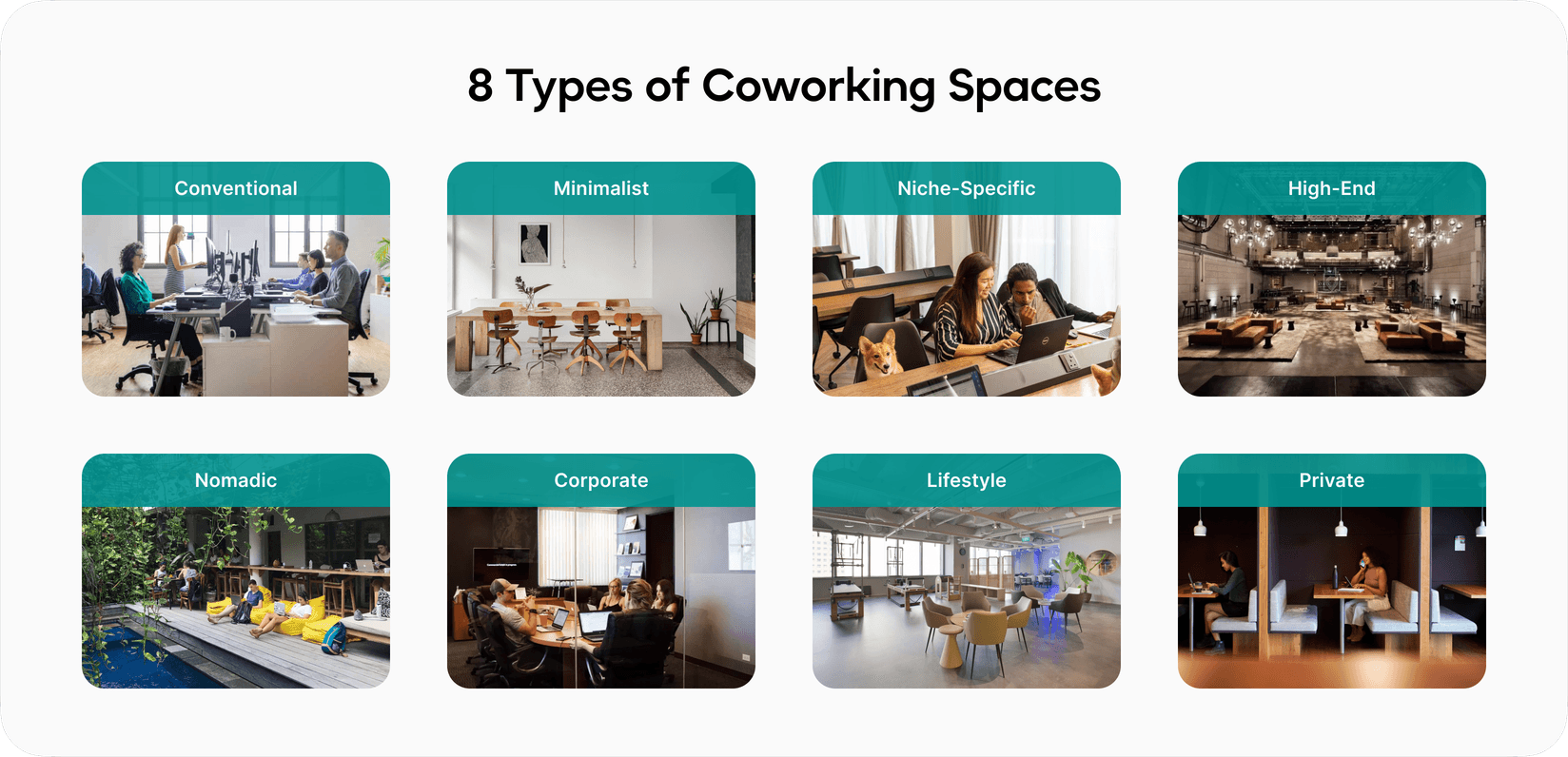
A coworking space does not need to be for everyone. In most cases, it works better when it clearly isn’t. The clearer the niche, the easier it is for the right people to see the value quickly. That does not mean you need a gimmick. It means your offer should make immediate sense.
Maybe you’re building a neighborhood workspace for remote professionals who want routine close to home. Maybe it’s a polished space for small teams that need private offices and meeting rooms. Maybe it’s a more community-led setup for freelancers and solo founders. Maybe it’s family-friendly. Maybe it’s built around a specific profession or industry.
Different niches create different businesses. They affect the layout, the pricing, the membership mix, the tone of the brand, and the kind of experience members expect. Once the niche is clear, many other decisions become easier.
3. Understand the business model before you sign a lease
A coworking space can look busy and still be financially weak. Seats may be occupied. The energy may feel good. Members may like the space. But the business can still struggle if the rent is too high, the pricing is too soft, the layout doesn’t support the right products, or the revenue depends too heavily on offers that are hard to sell consistently.
So before you commit to a location, get clear on how the business will actually make money. Most coworking spaces rely on a mix of revenue sources. That often includes hot desks, dedicated desks, private offices, day passes, meeting rooms, virtual office services, event rentals, and a few convenience add-ons.
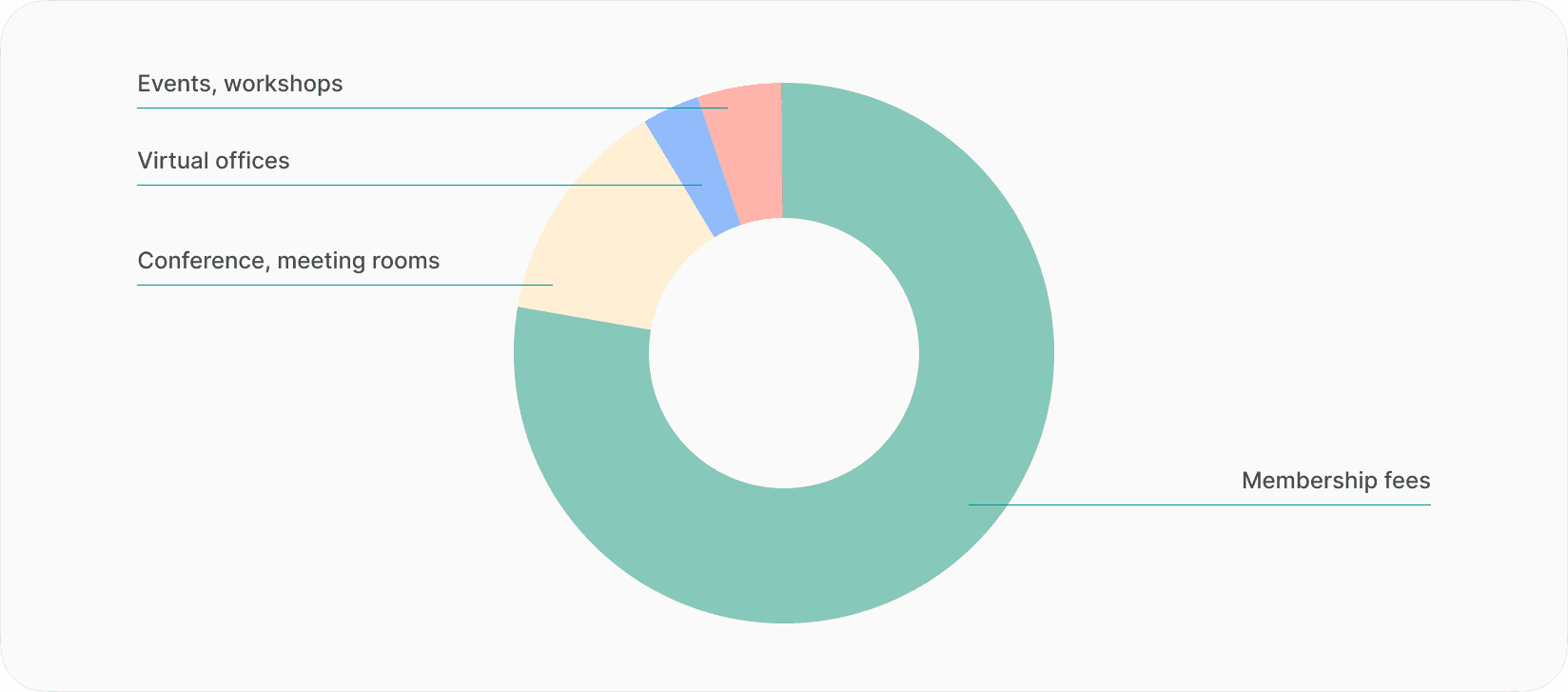
But those offers do not contribute equally. Private offices often create steadier recurring revenue. Meeting rooms can improve margins when usage is strong. Flexible access can help bring people in, but if too much of the business depends on lower-priced memberships, profitability can become tight.
Don Ball, co-founder of COCO Coworking, puts it simply: "if the numbers don’t work, don’t open". That mindset is useful because it cuts through a lot of the emotion that can build up around a new space.
Ask yourself:
- What will most of the revenue come from?
- Which member type matters most to the model?
- What products are easiest to sell in this market?
- What products are easiest to keep selling month after month?
These questions look simple, but they shape almost every decision that follows.
4. Build a business plan that helps you think clearly
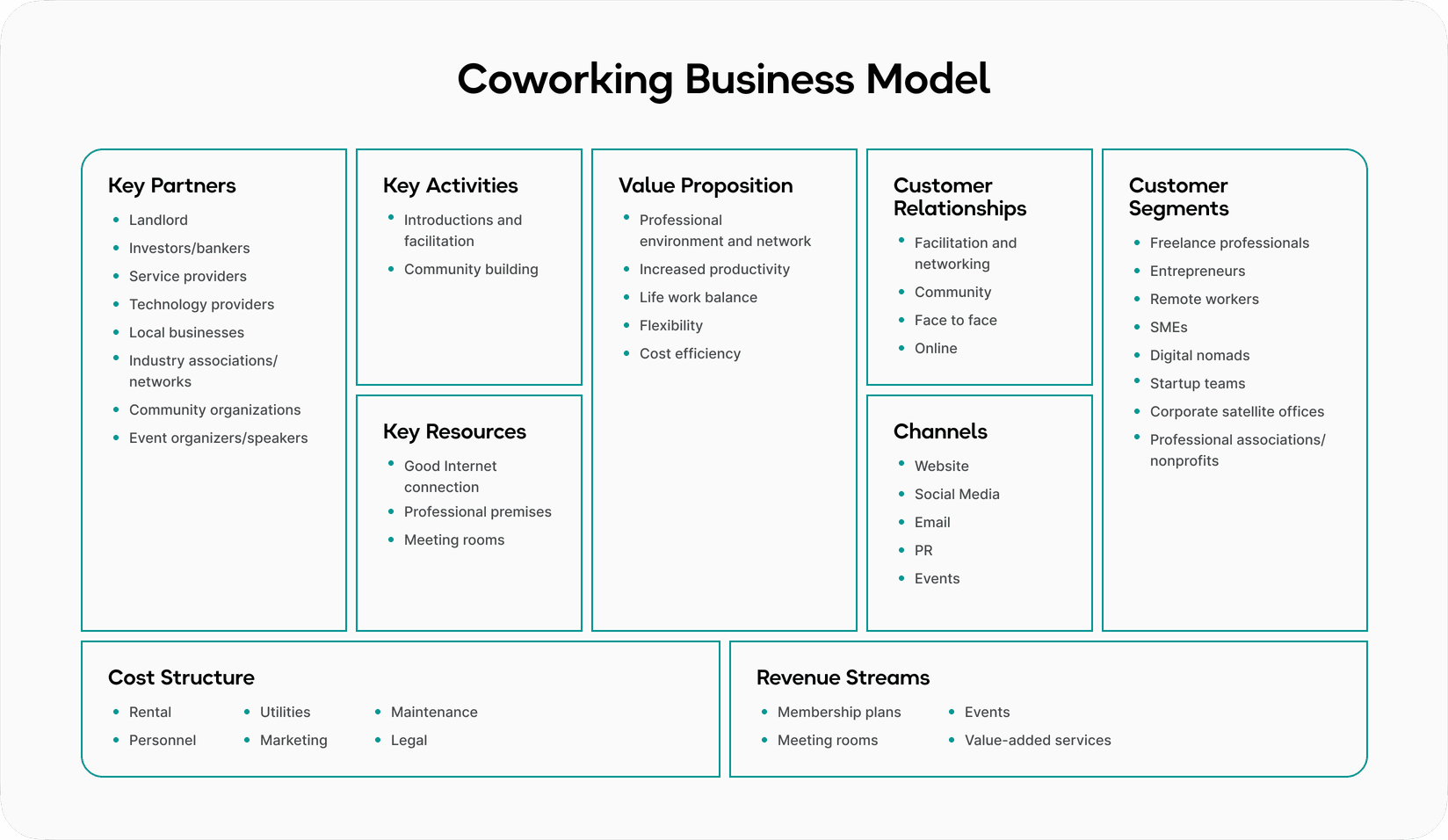
A coworking space business plan does not need to be long or formal. It just needs to help you think clearly. If you’re starting from scratch, an AI business plan creator can help you organize your rough ideas into a clear first draft. At minimum, it should explain:
- who the space is for
- what makes it different
- what you’re selling
- how much you’ll charge
- what it will cost to open
- what it will cost to run each month
- how many members you need to break even
- how you plan to win your first members
That alone will tell you a lot. It will show whether the concept holds together.
If you’re planning a premium space in a price-sensitive area, that tension should be visible. If the business only works when occupancy rises unusually fast, that should be visible too. If the model depends heavily on meeting room bookings in a market that may not need much meeting space, that should come up early.
A strong business plan is not just something you show other people. It’s a tool to keep yourself honest.
Download a PDF template of a coworking space business plan.
5. Estimate startup costs carefully
Startup costs are one of the easiest places to be too optimistic. The exact number depends on the city, the building, the lease, the condition of the space, and how ambitious the fit-out is. But the usual categories are fairly predictable.
You’ll probably need to budget for:
- deposit and advance rent
- build-out or renovation
- furniture and fixtures
- internet and access systems
- signage and branding
- legal setup, insurance, and permits
- software and admin tools
- working capital for the first months
The real issue is not usually one large surprise. It’s the way many costs arrive at once. A coworking space ties up cash quickly, especially before revenue becomes consistent. That’s why it helps to model more than one scenario.
Build a version where things go roughly to plan. Build another where costs run higher and occupancy grows more slowly. Then build one more where both happen together.
If the business still looks manageable, that’s encouraging. If it only works under ideal conditions, that’s something you want to know before you commit.
Startup Cost Calculator
6. Know your monthly operating costs before you open
Opening the doors is only the beginning. After that, the business needs to carry itself every month. That means rent, utilities, internet, software, cleaning, maintenance, supplies, insurance, marketing, and, in many cases, payroll software.
As your team grows, employee scheduling software like Homebase can also help manage front-desk coverage, tour appointments, support shifts, and event staffing more consistently.
Those costs continue whether the space is half full or fully booked. This is why the early months matter so much.
Many coworking spaces do not fail because the idea was bad. They fail because they did not have enough runway to operate well while demand was still building. A business credit line can help cover operating expenses while membership revenue builds. For smaller, time-bound needs—fit-out, equipment, or early marketing—you could also consider a personal loan to fund expenses with fixed monthly repayments.
And when cash gets tight, the member experience often suffers at exactly the wrong time. That’s why working capital matters so much. It gives you room to operate consistently while the business grows into itself.
7. Work out your break-even point early
This is one of the clearest numbers in the whole business. How many members do you need to cover your monthly costs? You don’t need a perfect forecast, but you do need a serious estimate.
Start with fixed monthly costs. Then estimate average revenue per member based on the mix of memberships and products you expect to sell. If you believe meeting rooms, private offices, or add-ons will lift revenue, include them carefully rather than optimistically.
The point is to see whether the business can become healthy at a realistic occupancy level. A space that needs to be nearly full before it becomes stable is a riskier business than one that can reach break-even earlier. A premium model needs confidence in both audience and execution. A lower-priced model needs tighter cost discipline and stronger volume.
Break-even is where the business stops being abstract. It’s where the strategy has to make sense in numbers, not just in theory.
8. Choose a location that fits the member and the model
A good location is not always the busiest or most central one. It’s the one that fits the member, the offer, and the economics.
A neighborhood workspace for remote professionals is a different business from a city-center space for small teams. A premium concept needs an environment that supports the price. A practical local space may win because it saves people time, not because it looks impressive.
So when you evaluate properties, think beyond square footage. Think about access, parking, natural light, safety, nearby food and coffee, the feel of the area, and whether the layout supports the kind of space you want to run.
A cheaper space with the wrong layout can become expensive very quickly. A slightly better space with the right structure can make sales, operations, and retention much easier.
9. Design around the way people actually work
Once the business logic is clear, the design work becomes much easier. Good coworking design is not about following trends. It’s about making daily work feel smooth.
People need different things. Some need quiet. Some need good call space. Some need room for collaboration. Some need privacy. Some want a little social energy without constant interruption. That’s why the layout matters so much.
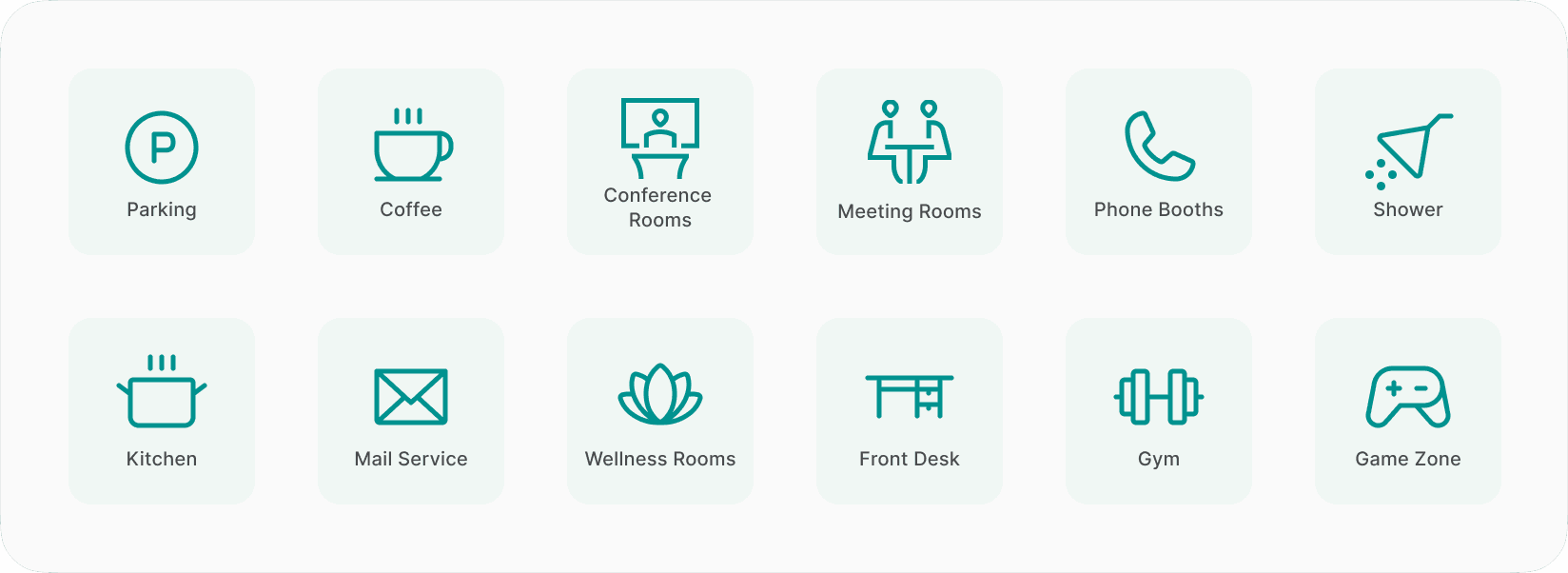
The right mix of open seating, quiet corners, phone booths, meeting rooms, lounges, and private offices depends on the audience. But whatever the mix is, the basics need to work well.
Comfortable chairs, reliable internet, power access, good lighting, clean shared areas, and reasonable acoustics do more for retention than decorative touches ever will.
People feel those things every day. A workspace can look beautiful online and still feel frustrating in real life. That gap is costly.
The ultimate guide to designing and utilizing an effective coworking space layout.
10. Set pricing with confidence
Pricing is one of the places where fear can quietly shape the business. A lot of operators worry that if they charge too much, people won’t join. So they start lower than they probably should. That can help in the short term. But it can also create a harder business later.
Low prices attract attention, but they can also create expectations that are difficult to sustain. And once pricing is set too low, it can be awkward to fix. That’s why your pricing should reflect three things at once:
- what the market expects
- what your space genuinely offers
- what the business needs to stay healthy
Most coworking spaces will need a simple menu of options. Day passes, flexible access, unlimited hot desks, dedicated desks, and private offices are common because people understand them.
What matters most is that the structure feels clear. If the pricing is confusing, sales gets harder. If the pricing is too cautious, profitability gets harder. If the pricing promises more than the experience delivers, retention gets harder.
11. Build operations before members arrive
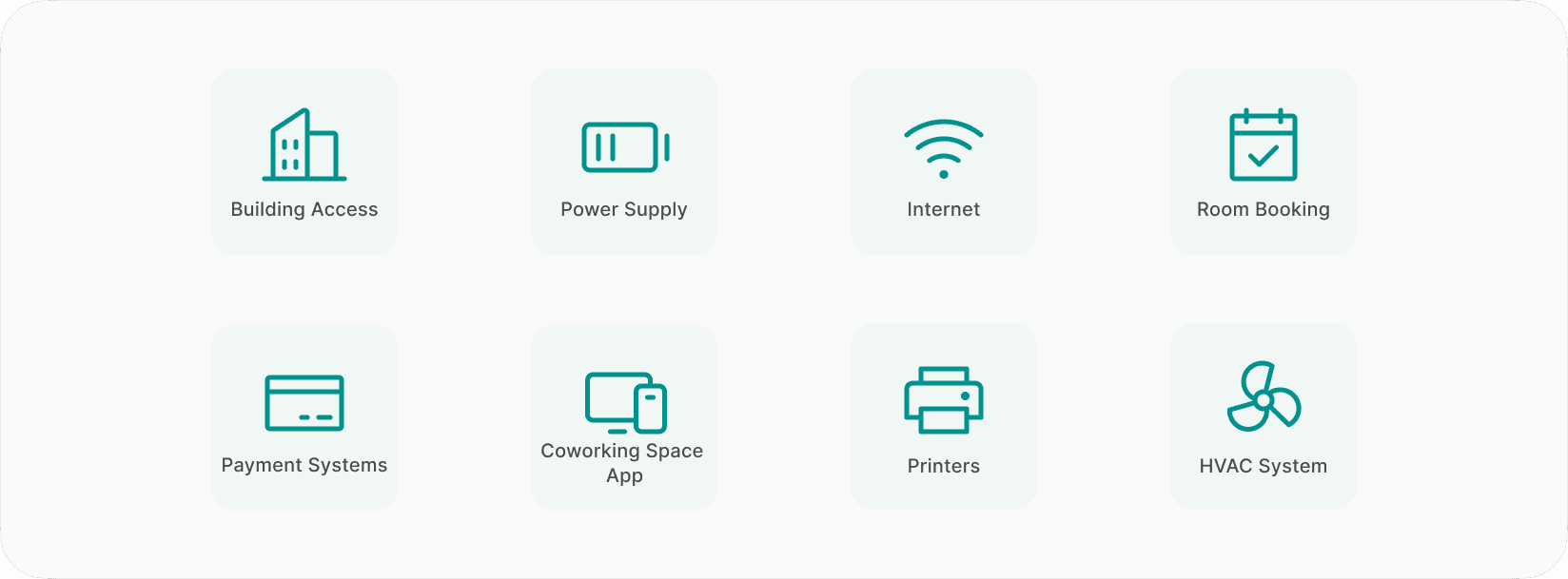
A coworking space feels professional when the basics work smoothly.
- Can people book a tour easily?
- Can they sign up without confusion?
- Do they understand what they’re buying?
- Can they access the space without friction?
- Can they book rooms and get support quickly when they need it?
These things sound small on paper, but together they shape trust. And trust is a big part of the product.
Before launch, map the whole member journey from discovery to renewal. Look for every point where confusion, delay, or inconsistency could show up. The smoother those systems are, the more confident the business will feel from day one.
This is also the stage where the right operational tools start to matter. If you’re planning to manage bookings, billing, member access, and day-to-day communication at scale, it helps to set up that foundation early instead of patching it together later.
12. Start selling before you open
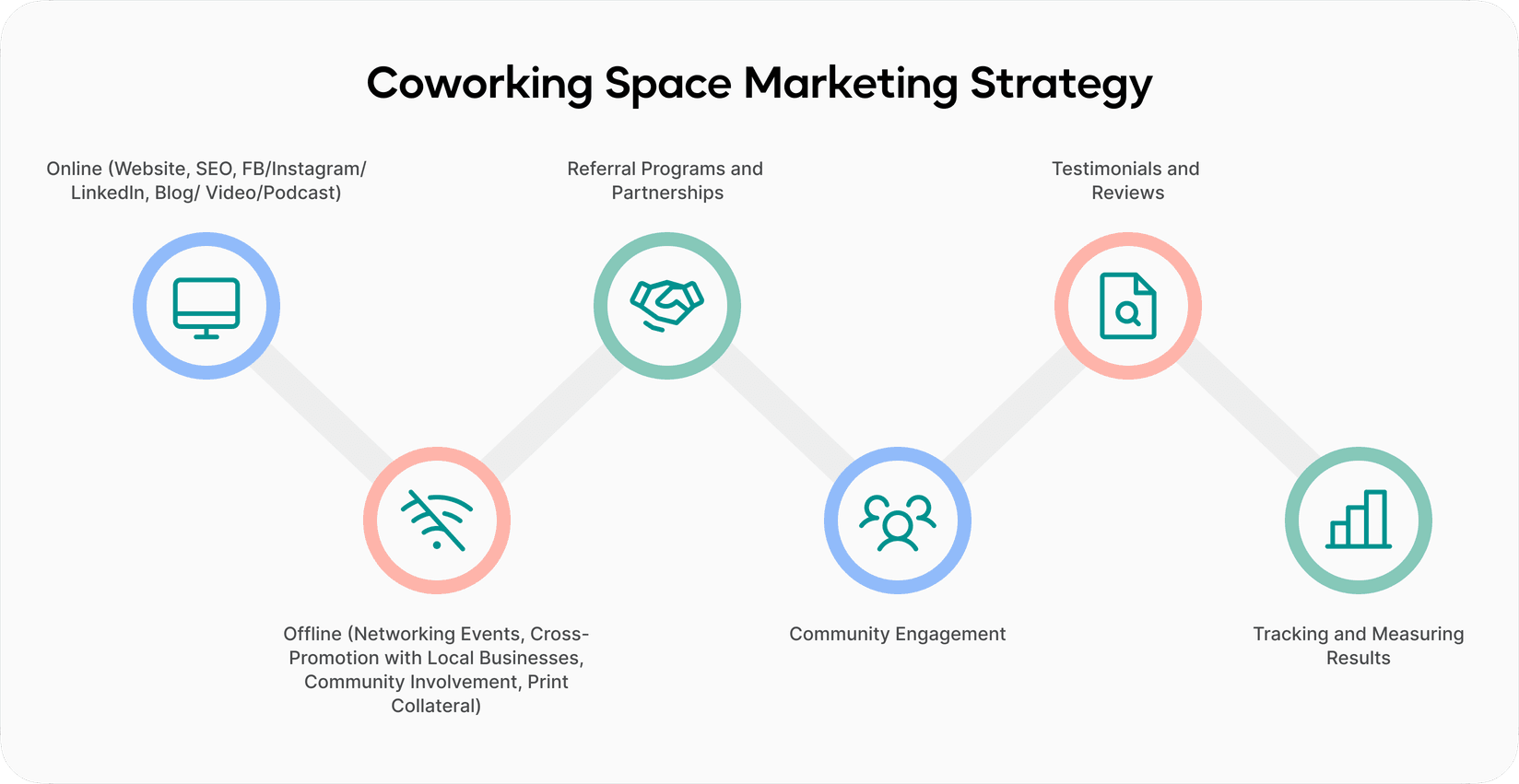
One of the safest ways to reduce risk is to start selling the concept before launch. That does not mean overselling something that isn’t ready. It means checking whether real people are willing to show real interest early.
A simple landing page, a waitlist, local outreach, preview tours, early founder offers, and direct conversations with likely members can all help here. Lead magnets can also help turn that early interest into contact details, especially when they offer something useful in return, such as early access or an exclusive launch offer. When discussing workspace options, pricing, or next steps with prospective members, an AI proposal generator can help turn those details into a polished first draft faster. For early outreach, an AI powered infographic creator can help explain your offer, pricing structure, and launch timeline in a format prospects can scan quickly.
Meredith Wheeler of Sesh Coworking describes this approach as "Community first, space second".
That’s a smart way to think about pre-launch traction. You’re not just collecting leads — you’re testing whether people actually want to gather around the idea. This gives you more than leads. It gives you useful feedback.
You learn what people care about most. You learn which messages get attention. You learn whether the location matters more than the design, whether private offices get more interest than open desks, whether flexibility matters more than community, and whether the pricing feels right.
That kind of feedback helps you improve the business before the market starts defining it for you.
For early outreach, a Brochure Generator can also help create simple branded materials to share with prospective members and local partners.
The ultimate guide to coworking space marketing.
13. Community helps retention
Community can sound like one of those words that gets repeated so often it loses meaning. But in coworking, it still matters. People stay longer when the experience feels thoughtful, warm, and easy to belong to.
That does not mean every space needs constant events or forced networking. It means members should feel that the place is run with care. Sometimes that looks like thoughtful onboarding, useful introductions, and a steady sense of energy. Sometimes it looks like quiet professionalism, excellent support, and a team that remembers people by name. The right version depends on the niche.
Anne Kirby of The Candy Factory puts it well: "I built a community for three years before opening up a physical space".
In other words, community does not begin and end inside the workspace. Strong operators build trust long before the space is fully up and running. And in a recurring-revenue business, that matters a lot.
100 coworking event ideas
Common mistakes new coworking operators make
Most early mistakes come back to the same few issues: unclear positioning, weak assumptions, or moving too quickly. The most common ones are:
- signing a lease before testing demand
- trying to build a space for everyone
- underestimating working capital
- pricing too low out of anxiety
- expecting occupancy to rise faster than it realistically will
- focusing on design while leaving operations until later
None of these mistakes are rare. But they are expensive. That’s why the best preparation is not just enthusiasm. It’s clarity.
FAQ
How much does it cost to start a coworking space?
It depends on the city, size, lease structure, and condition of the space. In most cases, the biggest costs are rent, build-out, furniture, infrastructure, and working capital.
Is a coworking space profitable?
It can be, but only when occupancy, pricing, retention, and costs are in balance. A busy space can still struggle if the business model underneath it is weak.
What should a coworking space business plan include?
At minimum, it should cover the target audience, business model, pricing, startup costs, monthly costs, break-even assumptions, and a realistic plan for winning the first members.
How do coworking spaces make money?
Most make money through recurring memberships and extra services such as private offices, meeting rooms, day passes, virtual office services, and event bookings.
How many members do you need to break even?
There is no universal number. It depends on your fixed costs, pricing, and membership mix. That number should be modeled for your specific space, not guessed.
What’s the best business model for a new coworking space?
The best model is the one that fits local demand and creates healthy recurring revenue. In some markets, that means flexible memberships. In others, it means more private offices or small-team packages.
Final thoughts
Opening a coworking space can be a very good business. But it is not a simple one. It blends real estate, hospitality, operations, and recurring revenue into one model. That’s part of what makes it interesting. It’s also what makes early decisions so important.
If you validate demand carefully, choose a clear niche, price with confidence, and build the business around realistic numbers, you give yourself a much stronger chance. And if you skip those steps, great design alone won’t fix the deeper problem.
That’s the practical truth. The best coworking spaces do not just look good. They make sense for the people they serve, and they make sense as businesses.
If you’re serious about opening a coworking space, start by mapping out your offer, pricing, operations, and member experience before you sign a lease. And when you’re ready to run those systems in one place, explore how Spacebring can help you manage bookings, billing, member access, and day-to-day operations.